
Why Am I Struggling After Leaving Treatment?

Why Am I Struggling After Leaving Treatment? Reach Out Now! PHONE 866-216-9789 MAILING ADDRESS: 5650 Donna Avenue Tarzana, California 91356 Email Support info@sunshinesoberliving.com Contact us Please enable JavaScript in your browser to complete this form.Please enable JavaScript in your browser to complete this form.Insured Name *Company *Phone *Email *Subject *Message * 3 + 12 = Submit International Dialing Codes Table of Contents Leaving treatment is a major accomplishment, but many people are surprised to find that recovery can feel even more challenging once they return to everyday life. While treatment provides a structured environment, life outside of rehab often brings new responsibilities, unexpected stress, and situations that require ongoing support. The important thing to remember is that struggling after treatment doesn’t mean you’ve failed. For many people, it’s a normal part of adjusting to a new lifestyle. Understanding why this happens and knowing where to find support can make the transition more manageable. Why Does Life Feel Harder After Rehab? Many people expect life to become easier after completing rehab, but the transition back to everyday life can be more challenging than they anticipated. During treatment, daily schedules, therapy sessions, and recovery activities provide structure and support. Once treatment ends, individuals often have to manage work, finances, relationships, household responsibilities, and personal decisions on their own. At the same time, they’re learning to cope with stress, emotions, and unexpected situations without relying on drugs or alcohol. Adjusting to these changes takes time, and it’s normal to feel overwhelmed while building a new routine. This is one reason why many people continue with outpatient treatment, recovery meetings, or recovery housing after rehab to maintain structure, stay connected to support, and gradually build confidence as they transition toward independent living. Is It Normal to Struggle After Rehab? Yes. Many individuals experience challenges after leaving treatment because they’re adjusting to a completely different routine. During rehab, daily schedules, therapy sessions, and recovery activities provide structure. Once treatment ends, it’s common to face decisions and responsibilities that weren’t part of everyday life during rehab. Some common challenges include: Adjusting to a new daily routine. Managing stress without substances. Returning to work, school, or family responsibilities. Feeling isolated without the support of treatment. Learning how to avoid old habits and triggers. These experiences are common and often improve with continued support and structure. What Can Help You Adjust to Life After Treatment? Recovery doesn’t stop after rehab. Continuing to build healthy routines and staying connected to support can make a significant difference. Many people benefit from: Attending recovery meetings regularly. Continuing outpatient treatment or counseling. Following a consistent daily routine. Staying connected with supportive family and friends. Living in a structured recovery-focused environment. Setting realistic personal and recovery goals. Building these habits gradually can help create greater confidence and stability over time. How Can Recovery Housing Provide Additional Support? Recovery housing offers a structured, substance-free environment for individuals who want continued support after treatment. Rather than returning immediately to an environment that may not support recovery, many people choose recovery housing to help bridge the gap between treatment and independent living. Recovery housing can provide: Daily structure and accountability. A safe, substance-free place to live. Support from a recovery-focused community. Continued access to outpatient treatment and recovery meetings. A gradual transition toward independent living. For many individuals, this additional support makes adjusting to everyday life feel more manageable. Why Choose Sunshine Sober Living for Continued Recovery? Choosing the right recovery housing can make a meaningful difference after treatment. At Sunshine Sober Living, we provide a structured, substance-free environment where residents can continue building healthy routines, strengthen accountability, and prepare for independent living with confidence. What You Can Expect at Our Recovery Home Structured, substance-free recovery housing. Safe and supportive living environment. Daily routines that encourage accountability and personal responsibility. A welcoming recovery-focused community. Convenient access to outpatient treatment and recovery meetings. Opportunities to continue working, attending school, or volunteering. Comfortable shared living spaces designed for everyday living. Detox, rehab, and Intensive Outpatient Program (IOP) referrals when additional support is needed. Personalized admissions guidance based on your recovery goals. There isn’t one solution that works for everyone. The key is finding a routine that provides stability while continuing to build the healthy habits learned during treatment. Conveniently located at 5650 Donna Avenue, Tarzana, CA 91356, we proudly serve individuals and families throughout Los Angeles, Woodland Hills, Encino, Sherman Oaks, Studio City, Reseda, West Hills, Calabasas, and the surrounding San Fernando Valley. When Should You Ask for Additional Support? You don’t have to wait until you’re overwhelmed to ask for help. Seeking additional support early can make recovery feel more manageable and help you continue building the progress you’ve already made. If you’re finding it difficult to adjust after treatment, speaking with a recovery professional or admissions team can help you understand your options and determine what level of support may be right for your situation. Call (866) 216-9789 or email info@sunshinesoberliving.com to speak with our admissions team and learn more about your recovery housing options. Conclusion Adjusting to life after treatment takes time, and it’s common to experience challenges along the way. Continuing your recovery through healthy routines, supportive relationships, and the right environment can make this transition easier. Remember that asking for additional support is part of recovery, and taking proactive steps today can help build a stronger foundation for tomorrow. Frequently Asked Questions Why do I feel overwhelmed after leaving rehab? Many people feel overwhelmed because they’re adjusting from a structured treatment environment to everyday responsibilities. This transition often takes time and continued support. Is it normal to need more support after treatment? Yes. Many individuals continue with recovery housing, outpatient treatment, counseling, or recovery meetings to help maintain progress after rehab. Can recovery housing help after treatment? Recovery housing provides a structured, substance-free environment where individuals can continue building healthy routines while preparing for independent living. How long does it take to adjust after rehab? Everyone’s recovery journey is different. Some people
What Should You Do If You Have Nowhere Safe to Live After Rehab?
What Should You Do If You Have Nowhere Safe to Live After Rehab? Reach Out Now! PHONE 866-216-9789 MAILING ADDRESS: 5650 Donna Avenue Tarzana, California 91356 Email Support info@sunshinesoberliving.com Contact us Please enable JavaScript in your browser to complete this form.Please enable JavaScript in your browser to complete this form.Insured Name *Company *Phone *Email *Subject *Message * 14 * 9 = Submit International Dialing Codes Table of Contents Many people assume they’ll return home after completing rehab, but that isn’t always possible. Some individuals leave treatment without a stable place to live, while others may not have a home environment that supports their recovery. Returning to an unsafe or unhealthy living situation can make the transition after treatment more challenging. Fortunately, there are recovery-focused housing options that provide a safe, structured, and substance-free environment for individuals who need additional support before living independently. Understanding these options can help people make informed decisions and continue building on the progress they made during treatment. Why Isn’t Going Home Always the Best Choice After Rehab? Many people assume they’ll return home after treatment, but that’s not always the safest option. The environment someone returns to can have a significant impact on their early recovery. For example, returning home may mean: Living with friends or family members who still use drugs or alcohol, making it harder to avoid temptation and maintain the healthy habits developed during treatment. Facing ongoing conflict, unhealthy relationships, or high levels of stress that can affect emotional well-being and make early recovery more challenging. Being surrounded by familiar people, places, or situations connected to past substance use, increasing exposure to triggers that may interfere with recovery. Having little accountability or daily structure, making it more difficult to stay consistent with healthy routines, recovery meetings, work, or outpatient treatment. Experiencing unstable housing or homelessness, creating additional stress and uncertainty when stability and consistency are especially important during the transition after rehab. Returning to an environment that lacks stability or support can make the transition after treatment more challenging. Taking time to find a safe, structured place to continue recovery may provide the consistency and support many individuals need as they adjust to everyday life. What Should You Do First If You Don’t Have a Safe Place to Live? If possible, begin planning your next step before your discharge date. Having a plan in place can make the transition after rehab feel more organized and less stressful. If you’re currently in rehab, speak with your case manager, discharge planner, or counselor as early as possible about your housing situation. They can often help you explore options such as: Structured recovery housing. Sober living homes. Transitional living programs. Community recovery resources. Local support organizations. Before leaving treatment, try to have a plan for where you’ll live, how you’ll get there, and what recovery support you’ll continue receiving. This may include arranging transportation, scheduling outpatient treatment or counseling, finding nearby recovery meetings, and confirming your move-in date if you’re transitioning into recovery housing. Planning these details in advance can help make the transition after rehab feel more organized and less overwhelming. What Practical Steps Can You Take Before Leaving Rehab? Having a plan can make the transition feel much more manageable. Before your discharge date, consider taking these practical steps: Talk with your treatment team. Let them know if you don’t have a safe place to live. They may already have trusted recovery housing resources or referral partners. Research sober living and recovery housing. Compare locations, house expectations, available support, and whether the home fits your recovery goals. Continue your recovery plan. Schedule outpatient treatment, therapy appointments, or recovery meetings before you leave rehab so your support continues without interruption. Organize transportation. Know how you’ll travel to your new residence, appointments, or work after discharge. Stay connected to supportive people. Recovery is easier when you have positive relationships encouraging your progress. Preparing before leaving treatment can reduce uncertainty and help you focus on recovery instead of last-minute decisions. Why Choose Sunshine Sober Living for Recovery Housing? For many individuals, recovery housing provides the stability and accountability needed after treatment. It offers a safe environment where residents can continue building healthy routines before transitioning to independent living. Choosing the right recovery housing can make a meaningful difference after treatment. At Sunshine Sober Living, we provide a structured, substance-free environment where residents can continue building healthy routines, strengthen accountability, and prepare for independent living with confidence. What You Can Expect at Our Recovery Home Structured, substance-free recovery housing. Safe and supportive living environment. Daily routines that encourage accountability and personal responsibility. A welcoming recovery-focused community. Convenient access to outpatient treatment and recovery meetings. Opportunities to continue working, attending school, or volunteering. Comfortable shared living spaces designed for everyday living. Detox, rehab, and Intensive Outpatient Program (IOP) referrals when additional support is needed. Personalized admissions guidance based on your recovery goals. Conveniently located at 5650 Donna Avenue, Tarzana, CA 91356, we proudly serve individuals and families throughout Los Angeles, Woodland Hills, Encino, Sherman Oaks, Studio City, Reseda, West Hills, Calabasas, and the surrounding San Fernando Valley. What If You Still Aren’t Sure What to Do? It’s normal to feel uncertain after completing rehab. Recovery is a major life transition, and asking for additional support is often one of the healthiest decisions you can make. If you’re unsure whether recovery housing, sober living, or another option is right for you, speaking with an experienced admissions team can help you better understand your choices. Call (866) 216-9789 or email info@sunshinesoberliving.com to speak with our admissions team and learn more about your recovery housing options. Conclusion Finishing rehab is an important step, but having a safe place to continue your recovery is just as important. If returning home isn’t the right option, exploring recovery housing or other supportive living environments can help you maintain healthy routines, stay connected to recovery resources, and prepare for independent living. Taking the time to choose the right next step can provide the stability
The Hidden Risks of Going Straight Home After Addiction Treatment
The Hidden Risks of Going Straight Home After Addiction Treatment Reach Out Now! PHONE 866-216-9789 MAILING ADDRESS: 5650 Donna Avenue Tarzana, California 91356 Email Support info@sunshinesoberliving.com Contact us Please enable JavaScript in your browser to complete this form.Please enable JavaScript in your browser to complete this form.Insured Name *Company *Phone *Email *Subject *Message * 11 * 14 = Submit International Dialing Codes Table of Contents Completing an addiction treatment programme is a significant accomplishment. It represents weeks or months of hard work, personal growth, and commitment to recovery. For many individuals, leaving treatment feels like the moment they can finally return to normal life and move forward. While this goal is understandable, going straight home after rehab is not always the safest or most effective next step. Many people assume that completing treatment means they are fully prepared to handle every challenge they will face in recovery. In reality, the transition from a structured treatment environment to everyday life can be one of the most difficult stages of the recovery journey. Without ongoing support, accountability, and a stable recovery-focused environment, individuals may find themselves facing triggers and pressures they are not yet fully prepared to manage. Understanding the hidden risks of returning home immediately after addiction treatment can help individuals and families make informed decisions that support long-term sobriety. Why Does the Transition Period Matter? During addiction treatment, individuals typically live in an environment designed to support recovery. Their daily schedules often include therapy sessions, recovery education, group support, wellness activities, and structured routines. This environment removes many of the distractions and triggers that contributed to substance use in the past. It also provides regular encouragement and accountability from professionals and peers who understand the recovery process. When treatment ends, much of that structure disappears. Individuals are suddenly expected to manage responsibilities, emotions, social situations, and stressors on their own. Even people who feel confident in their recovery may find this adjustment more challenging than expected. The first few months after treatment are often considered one of the most vulnerable periods for relapse, making transitional support especially important. Returning to Familiar Triggers One of the biggest risks of going straight home is exposure to familiar triggers. Triggers are people, places, situations, emotions, or experiences associated with past substance use. While treatment helps individuals identify and manage triggers, encountering them in real-world situations can feel very different from discussing them in therapy. A person may return to the same neighbourhood, social circle, workplace, or family environment that contributed to substance use before treatment. Even everyday situations can trigger cravings or emotional responses that challenge recovery. Common triggers may include: Stressful family relationships Financial pressures Old friendships connected to substance use Familiar locations associated with drinking or drug use Feelings of loneliness, boredom, or anxiety Without strong support systems in place, these triggers can quickly become overwhelming. The Loss of Daily Structure Treatment programmes provide consistency. Residents often wake up at scheduled times, attend therapy sessions, participate in recovery activities, and follow routines that support healthy living. Returning home can create a sudden loss of structure. Many people underestimate how important routine is during recovery. Without a clear daily schedule, boredom and uncertainty can begin to develop. Excessive free time may increase the likelihood of dwelling on cravings, negative thoughts, or unhealthy behaviours. Structure helps individuals stay focused on recovery goals. When that structure disappears too quickly, maintaining progress can become more difficult. Isolation and Limited Accountability Another hidden challenge of returning home is the potential for isolation. In treatment, individuals are surrounded by professionals and peers who understand the recovery process. There is often someone available to provide guidance, encouragement, or accountability when challenges arise. At home, that support may not always be available. Individuals who live alone or lack strong recovery networks may find themselves facing difficult situations without anyone to turn to. Isolation can increase feelings of loneliness and stress, both of which are common relapse triggers. Limited accountability may also make it easier to skip recovery meetings, avoid therapy appointments, or gradually drift away from healthy routines. Recovery thrives in connection. Attempting to navigate early sobriety alone can create unnecessary obstacles. Why Sober Living Creates a Safer Transition? Sober living homes are designed to bridge the gap between treatment and complete independence. Rather than moving directly from rehab into a potentially triggering environment, individuals can continue their recovery in a supportive, structured setting. This approach allows residents to practise recovery skills while still benefiting from accountability and community support. Sober living is not the same as inpatient treatment. Residents typically have greater freedom and are encouraged to work, attend school, rebuild relationships, and pursue personal goals. At the same time, they remain connected to a recovery-focused environment that reinforces healthy choices. This balance can make the transition back to everyday life more manageable and less overwhelming. The Benefits of Structured Recovery Housing: Structured recovery housing offers several advantages for individuals leaving addiction treatment. Residents benefit from a substance-free environment where recovery remains the priority. They are surrounded by people who understand the challenges of sobriety and can provide encouragement during difficult moments. Additional benefits include: Consistent accountability Healthy daily routines Reduced exposure to high-risk situations Peer support and community connection Opportunities to strengthen recovery skills These advantages help many individuals build confidence and stability before transitioning to fully independent living. At Sunshinesoberliving, residents receive the support, structure, and recovery-focused environment needed to navigate this critical stage of the recovery journey. Planning for Long-Term Success: Recovery does not end when treatment is completed. In many ways, it is just beginning. Long-term success often depends on what happens after rehab. Individuals who continue engaging with recovery resources, support networks, and structured living environments are often better equipped to handle challenges as they arise. Creating a strong recovery plan may involve therapy, support meetings, recovery coaching, employment goals, healthy routines, and safe housing arrangements. Every positive step strengthens the foundation for lasting sobriety. Choosing additional support after treatment is not
Living Alone After Rehab: Why Isolation Can Be Dangerous for Early Recovery?

Living Alone After Rehab: Why Isolation Can Be Dangerous for Early Recovery? Reach Out Now! PHONE 866-216-9789 MAILING ADDRESS: 5650 Donna Avenue Tarzana, California 91356 Email Support info@sunshinesoberliving.com Contact us Please enable JavaScript in your browser to complete this form.Please enable JavaScript in your browser to complete this form.Insured Name *Company *Phone *Email *Subject *Message * 3 * 2 = Submit International Dialing Codes Table of Contents Leaving rehab is a major milestone, but it is also the beginning of a new challenge. While treatment provides structure, accountability, and daily support, life after rehab often looks very different. Many people return home expecting to continue their recovery independently, only to discover that maintaining sobriety without consistent support can be far more difficult than anticipated. One of the biggest risks during early recovery is isolation. Living alone may seem like a peaceful way to focus on personal growth, but for many individuals recovering from addiction, too much time alone can create emotional, mental, and behavioural challenges that increase the risk of relapse. Without a strong support system and regular accountability, loneliness can slowly undermine the progress made during treatment. Understanding the connection between isolation and relapse can help individuals and families make informed decisions about post-treatment living arrangements and recovery support. The Transition From Rehab to Everyday Life: During rehab, individuals typically follow structured schedules that include therapy sessions, group discussions, educational programmes, wellness activities, and recovery-focused routines. This environment provides stability and reduces exposure to many of the triggers that contribute to substance use. After treatment ends, that structure often disappears almost overnight. Suddenly, individuals are responsible for managing their own schedules, making independent decisions, and handling life’s challenges without the same level of professional support. This transition can feel overwhelming, particularly during the first few months of recovery. Many people underestimate how difficult it can be to maintain sobriety while adjusting to everyday responsibilities, emotional challenges, and social pressures. When someone returns home to live alone, these difficulties can become even more pronounced. Why Can Isolation Be Dangerous During Early Recovery? Human connection is a vital part of recovery. While living alone does not automatically lead to relapse, it can increase vulnerability during early recovery. Without regular support and interaction, individuals may spend more time dealing with cravings, negative thoughts, or emotional struggles on their own. Challenges can feel more overwhelming when there is no one nearby to provide encouragement or accountability. Isolation can also allow unhealthy habits to return unnoticed, making it harder to recognise warning signs early. Strong social support helps reduce these risks and strengthens long-term recovery. The Link Between Loneliness and Relapse Loneliness is more than simply being alone. It is the feeling of being disconnected from others, unsupported, or emotionally isolated. Many individuals entering recovery have used substances to cope with difficult emotions. After treatment, those emotions do not disappear immediately. Stress, anxiety, boredom, frustration, and sadness may still occur, but substances are no longer available as a coping mechanism. Without healthy support systems, loneliness can intensify these feelings and increase cravings. Over time, the desire for relief can make relapse seem more appealing, particularly when an individual feels disconnected from their recovery community. This is why many addiction professionals emphasise the importance of maintaining strong social connections throughout recovery. The Challenges of Living Alone After Rehab Living alone can present challenges during early recovery. Without others nearby, changes in mood, behaviour, or daily habits may go unnoticed. Missed recovery meetings, increased isolation, poor sleep, and emotional withdrawal can develop gradually without intervention. Living alone can also reduce accountability, making it easier to neglect healthy routines or avoid support networks. In addition, everyday responsibilities such as finances, work, and household tasks may create added stress. While independence is an important recovery goal, taking on too much responsibility too soon can increase pressure and make maintaining long-term sobriety more difficult. Why Community Matters in Recovery? Recovery is often strongest when individuals feel connected to others who understand their experiences. Community provides encouragement during difficult moments, celebrates progress, and creates a sense of belonging. Knowing that others are invested in your success can make it easier to stay committed to recovery goals. Supportive communities also create opportunities for accountability. When individuals regularly interact with peers, they are more likely to recognise warning signs early and seek help before a small problem becomes a major setback. For many people, community becomes one of the most valuable tools for maintaining long-term sobriety. How Structured Recovery Housing Supports Sobriety? Structured recovery housing offers a valuable middle ground between inpatient treatment and complete independence. Rather than returning directly to an isolated living situation, residents can continue building recovery skills within a supportive environment. These homes provide stability, accountability, and opportunities to connect with others who share similar goals. Residents can focus on rebuilding their lives while benefiting from a recovery-focused community. Some of the advantages of structured recovery housing include: A substance-free living environment Peer support from individuals in recovery Increased accountability and routine Opportunities to build healthy relationships Reduced exposure to isolation and loneliness These benefits can be particularly valuable during the early months after treatment when relapse risk is often highest. Building a Healthy Recovery Network Whether someone chooses structured recovery housing or another living arrangement, creating a strong support network is essential. A healthy recovery network may include therapists, sponsors, recovery coaches, support groups, family members, and sober friends. The goal is to build relationships that provide encouragement, guidance, and accountability. Recovery is rarely successful in complete isolation. Individuals who actively engage with supportive communities often have more resources available when challenges arise. At Sunshinesoberliving, residents have the opportunity to become part of a recovery-focused community that encourages personal growth, accountability, and long-term sobriety. Signs That Isolation May Be Becoming a Problem: It is important to recognise warning signs before isolation begins affecting recovery. Common signs include: Avoiding social interaction Missing recovery meetings Spending excessive time alone Increased feelings of loneliness Loss of motivation Withdrawing from
Can You Stay in Sober Living If You Relapse

Can You Stay in Sober Living If You Relapse? Understanding House Policies and Your Next Steps Reach Out Now! PHONE 866-216-9789 MAILING ADDRESS: 5650 Donna Avenue Tarzana, California 91356 Email Support info@sunshinesoberliving.com Contact us Please enable JavaScript in your browser to complete this form.Please enable JavaScript in your browser to complete this form.Insured Name *Company *Phone *Email *Subject *Message * 8 * 7 = Submit International Dialing Codes Table of Contents Completing treatment and moving into a sober living home is a significant achievement. It marks the transition from a highly structured treatment environment to a more independent lifestyle while still receiving support and accountability. However, recovery is not always a straight path. Many individuals and families worry about what happens if a relapse occurs during sober living. A common concern is whether a resident can remain in a sober living home after using drugs or alcohol. The fear of being asked to leave often prevents people from speaking honestly when they need help the most. This uncertainty can create additional stress during an already challenging time. The truth is that every sober living home has its own policies regarding relapse. While maintaining a substance-free environment is essential, many recovery-focused residences understand that setbacks can occur and have procedures in place to help residents access the support they need. Understanding these policies can help individuals and families make informed decisions and stay focused on long-term recovery. Understanding Relapse in Recovery: Relapse is often misunderstood. Many people see it as a complete failure, but addiction professionals recognise that recovery is a process that involves ongoing growth, learning, and adjustment. While sobriety remains the goal, some individuals experience setbacks before achieving lasting recovery. A relapse does not erase the progress someone has made in treatment. The coping skills learned, the healthy habits developed, and the personal growth achieved remain valuable. However, a relapse should never be ignored. Instead, it should be viewed as a signal that additional support, structure, or treatment may be needed. The most important factor is how quickly the individual responds. Seeking help immediately can prevent a brief lapse from becoming a prolonged return to substance use. Early intervention often leads to better recovery outcomes and reduces the risk of further complications. Why Do Sober Living Homes Have Relapse Policies? Sober living homes are designed to provide safe, supportive, and substance-free environments. Every resident depends on that environment to support their own recovery journey. Because of this responsibility, sober living homes establish clear rules regarding alcohol and drug use. These policies are not intended to punish residents. Instead, they help maintain a recovery-focused atmosphere where everyone has the opportunity to build a stable foundation for sobriety. When a relapse occurs, house managers must balance two important priorities. They need to support the resident who relapsed while also protecting the wellbeing of other residents. This balance is why sober living homes often have specific procedures for assessing and responding to relapse situations. What Usually Happens After a Relapse? When a relapse occurs, sober living homes typically assess the situation to determine the appropriate level of support. Staff consider factors such as the substance used, frequency of use, the resident’s condition, and any immediate safety concerns. Honesty plays a key role in this process. Residents who acknowledge a relapse and seek help demonstrate accountability and a willingness to continue recovery. This openness allows staff to provide guidance and connect them with the right resources. Hiding substance use can undermine trust and make it harder to create an effective recovery plan. Can You Stay in Sober Living After a Relapse? In many cases, yes. A relapse does not automatically mean a resident will lose their place in a sober living home. Some homes recognise that recovery is a long-term process and may allow residents to remain if they are willing to take responsibility and engage in additional support. The decision often depends on the individual’s commitment to recovery. Residents who actively participate in recovery planning, follow recommendations, and demonstrate a willingness to change are often in a stronger position than those who continue using substances without seeking help. House managers must also consider the impact on the wider recovery community. If the resident can safely continue living in the home without disrupting the environment for others, remaining in sober living may be possible. Many homes use relapse as an opportunity to strengthen accountability rather than immediately ending support. This approach helps residents address challenges while remaining connected to recovery resources. When Detox May Be the Right Next Step Not every relapse requires medical detox, but some situations do. When substance use becomes frequent or heavy again, withdrawal symptoms can create physical and emotional risks that need professional supervision. Detox programmes provide a safe, medically supported environment to manage withdrawal and stabilise recovery. Many sober living homes work closely with detox centres and treatment providers, ensuring residents can quickly access higher levels of care when needed. Seeking detox is not a setback or failure—it is a proactive step that helps individuals regain stability, protect their health, and continue progressing on their recovery journey. (100 words) Building a Stronger Recovery Plan: After a relapse, one of the most important steps is reviewing and strengthening the recovery plan. Understanding what contributed to the setback can help prevent similar situations in the future. Common relapse triggers include: Stress and anxiety Relationship conflicts Isolation and loneliness Mental health challenges Exposure to former social circles Identifying triggers allows individuals to develop healthier coping strategies and create a more effective support system. Recovery planning may involve therapy, support meetings, recovery coaching, lifestyle changes, or increased accountability. Small adjustments often create significant improvements over time. At Sunshinesoberliving, residents receive guidance that helps them understand challenges, strengthen recovery strategies, and continue working toward long-term sobriety goals. Choosing the Right Sober Living Home: Not all sober living homes operate the same way. Before choosing a residence, families should understand how relapse situations are handled and what support services are available. Questions
My Loved One Finished Rehab But Refuses Sober Living — What Should We Do?

My Loved One Finished Rehab But Refuses Sober Living — What Should We Do? Reach Out Now! PHONE 866-216-9789 MAILING ADDRESS: 5650 Donna Avenue Tarzana, California 91356 Email Support info@sunshinesoberliving.com Contact us Please enable JavaScript in your browser to complete this form.Please enable JavaScript in your browser to complete this form.Insured Name *Company *Phone *Email *Subject *Message * 14 + 12 = Submit International Dialing Codes Table of Contents Watching a loved one complete rehab is often a moment of hope and relief for families. After weeks or months of treatment, everyone wants to believe the hardest part is over. However, many families face a new challenge when their loved one refuses sober living and insists on returning directly to independent life. This situation can be frustrating, confusing, and even frightening. Families understand the risks of early recovery and worry that skipping a structured transition may increase the likelihood of relapse. At the same time, they want to respect their loved one’s independence and recovery journey. If your loved one has completed rehab but refuses sober living, understanding their perspective and knowing how to respond can help you support their recovery without creating unnecessary conflict. Why Some People Refuse Sober Living After Rehab? Before reacting, it is important to understand why someone may resist the idea of sober living. In many cases, the refusal is not about rejecting recovery. Instead, it may stem from personal fears, misconceptions, or emotional challenges. They Want Their Independence Back: After spending time in a highly structured treatment environment, many people feel eager to regain control over their lives. They may see sober living as an extension of rehab rather than a stepping stone toward independence. As a result, they may believe moving directly home is the fastest way to return to normal life. They Feel Confident in Their Recovery Some individuals leave treatment feeling strong, motivated, and ready to handle recovery on their own. While confidence is valuable, it can sometimes lead people to underestimate the challenges they may face once they return to everyday responsibilities, social pressures, and familiar triggers. They Misunderstand What Sober Living Offers Many people assume sober living homes are identical to rehabilitation centres. In reality, sober living is designed to provide greater freedom while maintaining accountability and support. Residents typically work, attend school, participate in recovery programmes, and build life skills while living in a substance-free environment. Financial Concerns Some individuals worry about the cost of sober living and believe moving home is a more affordable option. While financial considerations are understandable, families should also consider the potential emotional, financial, and personal costs of relapse. Fear of Judgement People in recovery may worry that entering sober living means others will view them as incapable of managing life independently. This concern can create resistance, even when sober living would provide significant benefits. Why Should Families Take the Situation Seriously? The period immediately following rehab is often one of the most vulnerable stages of recovery. During treatment, individuals benefit from structure, therapy, peer support, and accountability. Returning directly to old environments can expose them to familiar triggers before they have fully developed the skills needed to manage them effectively. Research consistently shows that ongoing recovery support improves long-term outcomes. While sober living is not the only path to success, many individuals benefit from having additional structure during the transition back into daily life. For families, the goal should not be controlling the decision but ensuring their loved one fully understands the risks and available options. What Families Should Avoid Doing? When emotions are running high, it is easy to respond in ways that unintentionally create more resistance. Avoid Ultimatums Threats and ultimatums often lead to defensiveness and conflict. While boundaries are important, forcing someone into sober living rarely creates genuine commitment to recovery. Avoid Constant Arguments Repeated debates about sober living can damage trust and communication. Instead of trying to win an argument, focus on creating open conversations about recovery goals, concerns, and future plans. Avoid Assuming Rehab Solved Everything Recovery continues long after treatment ends. Families should recognise that graduation from rehab is the beginning of a lifelong process rather than the final step. Avoid Enabling Risky Behaviour Supporting recovery is different from removing all consequences. Families should avoid behaviours that unintentionally make it easier for a loved one to return to unhealthy patterns. How to Have a Productive Conversation? If your loved one refuses sober living, consider approaching the discussion with empathy and curiosity. Ask questions such as: What concerns you most about sober living? What does your recovery plan look like after rehab? How will you manage cravings or triggers? What support systems will you have in place? How can we help you stay accountable? These questions encourage thoughtful discussion rather than confrontation. Present Sober Living as a Tool, Not a Punishment One common mistake families make is presenting sober living as something their loved one must do because they cannot be trusted. Instead, frame it as a practical recovery tool. Just as athletes continue training after learning new skills, people in recovery often benefit from additional support while applying what they learned in treatment. Sober living provides a bridge between the highly structured environment of rehab and complete independence. It allows individuals to strengthen healthy habits while gradually taking on everyday responsibilities. Consider Professional Guidance Families do not have to navigate these conversations alone. Treatment professionals, recovery coaches, therapists, and sober living staff can often provide valuable insight and support. A neutral third party may be able to address concerns that family members struggle to discuss effectively. At Sunshinesoberliving, families can explore consultation calls and admissions inquiries to better understand available recovery support options and determine whether sober living may be the right fit for their loved one. Focus on the Bigger Picture While sober living can significantly improve recovery outcomes, it is important to remember that recovery is ultimately a personal choice. Families cannot force lasting sobriety. What they can do is provide encouragement, maintain
Why Do So Many People Relapse Within 30 Days After Rehab?

why-do-so-many-people-relapse-within-30-days-after-rehab Reach Out Now! PHONE 866-216-9789 MAILING ADDRESS: 5650 Donna Avenue Tarzana, California 91356 Email Support info@sunshinesoberliving.com Contact us Please enable JavaScript in your browser to complete this form.Please enable JavaScript in your browser to complete this form.Insured Name *Company *Phone *Email *Subject *Message * 2 * 5 = Submit International Dialing Codes Table of Contents Completing a rehabilitation programme is a major achievement, but it is not the end of the recovery journey. For many people, the first 30 days after rehab can be one of the most challenging periods. While treatment provides a strong foundation, returning to everyday life often brings new pressures, responsibilities, and triggers that can make maintaining sobriety difficult. Relapse does not mean treatment has failed. Instead, it often highlights the need for continued support and structure during the transition from rehab to independent living. Understanding why relapse is common in the early stages of recovery can help individuals and families take proactive steps to protect long-term sobriety. Understanding the First 30 Days After Rehab: The period immediately after rehab is a significant adjustment. During treatment, individuals typically follow structured schedules, attend therapy sessions, and live in environments designed to support recovery. Once they leave, they must navigate daily life with fewer safeguards in place. Many people return to the same neighbourhoods, social circles, and routines that were connected to substance use. Even with the best intentions, these familiar environments can create challenges that increase the risk of relapse. The first month after treatment is often when individuals begin testing their coping skills in real-world situations. This transition can feel overwhelming, especially without ongoing support. Common Reasons People Relapse Shortly After Rehab: Exposure to Old Triggers One of the biggest challenges after rehab is encountering triggers. These may include certain people, places, emotions, or situations associated with past substance use. A stressful day at work, conflict within a relationship, or even passing a familiar location can spark cravings. Without strong coping strategies and support systems, these triggers can become difficult to manage. Overconfidence in Recovery Some individuals leave rehab feeling confident that they have overcome their addiction completely. While confidence can be positive, it may also lead to complacency. Skipping support meetings, avoiding therapy sessions, or distancing oneself from recovery communities can weaken the protective factors that help maintain sobriety. Lack of Daily Structure Rehabilitation programmes often provide a consistent routine that includes therapy, wellness activities, and accountability. After discharge, this structure may disappear. Without a clear schedule, people can experience boredom, isolation, or uncertainty. These feelings can create opportunities for unhealthy habits to return. Emotional Challenges Recovery often involves confronting emotions that substances once masked. Anxiety, sadness, frustration, and loneliness can become more noticeable after treatment. Learning to process these emotions takes time. During the first 30 days, many individuals are still developing healthy coping mechanisms, making them more vulnerable to relapse. Limited Support Systems Strong support networks play a vital role in long-term recovery. Individuals who lack supportive family members, sober friends, or recovery mentors may struggle when challenges arise. Recovery is rarely successful in isolation. Ongoing encouragement and accountability can make a significant difference during the early stages of sobriety. Why Rehab Alone Is Not Always Enough? Rehab is designed to help individuals begin recovery, but it cannot prepare them for every situation they will face after treatment. Addiction is a complex condition that often requires long-term management. Many experts compare recovery to learning a new skill. Completing rehab is similar to finishing training, while life after treatment is where those skills must be practised consistently. Without continued support, the sudden transition from a highly structured environment to complete independence can feel overwhelming. This is one reason relapse rates are often highest during the first month after treatment. Sober Living: The Bridge Between Rehab and Independent Living For many individuals, sober living provides the missing link between rehabilitation and fully independent living. A sober living home offers a supportive, substance-free environment where residents can continue building healthy habits while gradually returning to everyday responsibilities. Instead of facing all challenges alone immediately after rehab, residents benefit from a structured setting that encourages accountability and stability. This transitional phase allows individuals to strengthen their recovery skills before navigating complete independence. Benefits of Sober Living Homes: Continued Accountability Residents are typically expected to follow house rules, maintain sobriety, and participate in recovery-focused activities. This accountability can help reduce the risk of relapse. Safe and Supportive Environment Living with others who share similar recovery goals creates a sense of community and understanding. Residents often support each other through challenges and celebrate progress together. Development of Healthy Routines Sober living encourages residents to establish consistent schedules involving work, education, exercise, therapy, and personal growth activities. Reduced Exposure to Triggers By living in a recovery-focused environment, individuals can minimise contact with situations that may threaten their sobriety during the vulnerable early stages of recovery. At Sunshinesoberliving, residents receive the supportive environment needed to strengthen their recovery journey while preparing for long-term independence. Practical Steps to Reduce Relapse Risk While no recovery path is identical, several strategies can help lower the likelihood of relapse during the first 30 days after rehab: Attend support group meetings regularly. Continue individual or group therapy. Build a strong recovery network. Create a structured daily routine. Avoid people and environments associated with substance use. Develop healthy stress-management techniques. Prioritise physical and mental wellbeing. Seek help immediately if cravings become overwhelming. Consistency and support are often the strongest predictors of lasting recovery success. Frequently Asked Questions? Is relapse common after rehab? Yes. Relapse can occur during recovery, particularly within the first 30 days after treatment. Continued support and structured environments can significantly reduce the risk. Why are the first 30 days after rehab so difficult? Individuals are adjusting to everyday life while managing triggers, emotions, and responsibilities without the constant support provided during treatment. What is a sober living home? A sober living home is a substance-free residence that helps individuals transition from rehab
How Long Should Someone Stay in Sober Living?
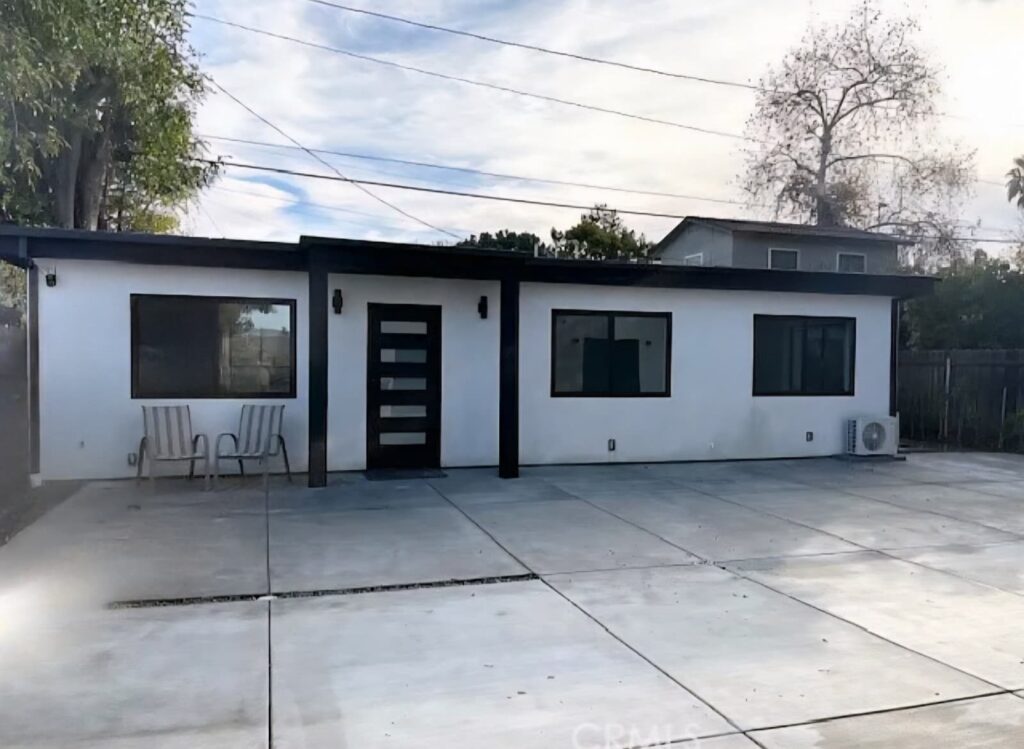
How Long Should Someone Stay in Sober Living? Reach Out Now! PHONE 866-216-9789 MAILING ADDRESS: 5650 Donna Avenue Tarzana, California 91356 Email Support info@sunshinesoberliving.com Contact us Please enable JavaScript in your browser to complete this form.Please enable JavaScript in your browser to complete this form.Insured Name *Company *Phone *Email *Subject *Message * 9 * 3 = Submit International Dialing Codes Table of Contents Sober living is an important step in the recovery journey, offering a safe, structured, and supportive environment for individuals who are transitioning from addiction treatment back into everyday life. One of the most common questions people ask is how long they should stay in sober living before moving on to independent living. The truth is, there is no single timeline that fits everyone. Recovery is a personal journey, and the right length of stay depends on individual progress, stability, support systems, and long-term goals. While some people may feel ready in a few months, others benefit from staying longer to build a stronger foundation for lasting sobriety. At Sunshine Sober Living, we believe recovery should never be rushed. The goal is not just to leave sober living quickly but to leave when you are truly ready to live independently without returning to old patterns. Why Sober Living Exists After Treatment Sober living homes are designed to bridge the gap between structured treatment and full independence. After completing detox or rehabilitation, individuals often leave a highly structured environment and return to a world filled with stress, responsibilities, and potential triggers. Sober living helps ease this transition by providing: A drug- and alcohol-free environment Structure and daily accountability Peer support from others in recovery Time to rebuild healthy routines A safe space to practice independence Ongoing recovery-focused living This stage is essential because it allows individuals to apply what they learned in treatment in real-life situations while still having support available. Common Lengths of Stay in Sober Living Although there is no fixed rule, most individuals fall within general timeframes based on their recovery progress. Short-Term Stay (1–3 Months) A short stay may work for individuals with strong external support and stable routines. However, for many people, this period is not enough time to fully adjust to independent living after treatment. Medium-Term Stay (3–6 Months) This is one of the most common and effective durations. It allows individuals to build structure, develop healthy habits, and gain confidence in sobriety while gradually increasing independence. Long-Term Stay (6–12+ Months) Longer stays are often recommended for individuals who need additional stability or have a higher risk of relapse. This extended time helps strengthen coping skills and emotional balance while building long-term life structure. Signs Someone May Be Ready to Leave Sober Living Deciding to leave sober living should be based on stability and readiness, not just time spent in the program. Some common signs of readiness include: Consistent sobriety over time Ability to manage stress without substances Stable employment or daily routine Healthy coping strategies in place Emotional stability and self-control Strong support system outside sober living Confidence in independent decision-making Even when these signs are present, many individuals still choose to stay longer to reinforce stability and reduce relapse risk. Benefits of Staying Longer in Sober Living Spending more time in sober living often leads to stronger long-term recovery outcomes. Early recovery is a vulnerable stage, and extended support can make a significant difference. Key benefits of a longer stay include: Stronger relapse prevention skills Better emotional regulation Improved structure and discipline Healthier lifestyle habits Increased independence and confidence More stable long-term recovery foundation The extra time allows individuals to build consistency in their recovery before facing full independence. How Sober Living Supports Long-Term Recovery Sober living is not just about housing—it is about creating a lifestyle that supports recovery. It helps individuals develop habits and routines that carry forward into independent life. Key support areas include: Daily structure and routine building Accountability from peers and staff Healthy social connections Personal responsibility and discipline Focus on long-term goals and stability These elements work together to support lasting recovery beyond treatment. Our Approach at Sunshine Sober Living At Sunshine Sober Living, we understand that every recovery journey is different. Some individuals need more time, while others may progress faster—but what matters most is stability and readiness. Our approach includes: Safe, substance-free housing Structured daily living environment Peer support and accountability Focus on personal growth and responsibility Encouragement of independence at the right pace Long-term recovery support We do not believe in rushing the recovery process. Instead, we focus on helping individuals build confidence and stability before transitioning out of sober living. Conclusion There is no universal answer to how long someone should stay in sober living. For some, a few months may be enough. For others, staying longer provides the stability needed to fully rebuild their lives. What matters most is not how quickly someone leaves, but how prepared they are to maintain sobriety in the real world. At Sunshine Sober Living, we encourage individuals to stay as long as they need to build confidence, structure, and lasting recovery success. Is 90 days enough in sober living? Many people benefit from at least 90 days in sober living, but the ideal length depends on personal recovery progress, support systems, and relapse risk. Can you stay in sober living for a year? Yes. Many residents choose to stay for 12 months or longer to strengthen recovery habits and build long-term stability. Does staying longer in sober living reduce relapse risk? Research and recovery experience suggest that longer participation in structured recovery environments can improve sobriety outcomes and reduce relapse risk. What happens if you leave sober living too early? Leaving before developing stable routines, support systems, and coping skills may increase the risk of relapse and recovery setbacks.
How Opiates Impact the Brain and Body

Blog Detail How Opiates Impact the Brain and Body It’s no secret that opioid addiction has spread rampant throughout the United States. According to National Institute on Drug Abuse “Every day, more than 115 people in the United States die after overdosing on opioids. The misuse of and addiction to opioids—including prescription pain relievers, heroin, and synthetic opioids such as fentanyl—is a serious national crisis that affects public health as well as social and economic welfare.” More often than not, addiction begins innocently and seemingly without provocation. Prescriptions are often written by primary care physicians to treat pain of all sorts, from bone breaking accidents to chronic pain management. While opiates are proven to subside pain, there are negative consequences to prolonged use and abuse. Leaving the individual subject to potential addiction, the risks can often times outweigh the benefits. Common opiates: HydrocodoneOxycodoneOxycontinMeperidineMorphineHydromorphoneMethadoneCodeineFentanylHeroin According to ASAM “Drug overdose is the leading cause of accidental death in the US, with 52,404 lethal drug overdoses in 2015. Opioid addiction is driving this epidemic, with 20,101 overdose deaths related to prescription pain relievers, and 12,990 overdose deaths related to heroin in 2015. From 1999 to 2008, overdose death rates, sales and substance use disorder treatment admissions related to prescription pain relievers increased in parallel.” Statistical resources provide overwhelming evidence to support opiate epidemic in the U.S. Opiates are classified as narcotics and act as a depressant, affecting the central nervous system. Ignorance to the stronghold of these medications ultimately lead to dependence and abuse. Brain Opioid receptors are located all throughout the human brain. Neurotransmitters are responsible for producing communication between the brain and the body, such as opioid receptors. The functionality of these receptors are to act as action sites for pain reduction and induce pleasure responses. When these receptors fire off, dopamine floods the brain and can create a euphoric state. Opiates bind to specific receptors producing a similar effect to the natural chemicals that block out the perception of pain. Opiate produce an effect almost 1,000 times more potent than natural chemical produced in the body and naturally the brain and body adjusts to the new levels. This effect manifests the vulnerability to abuse and dependency. The brain seeks to mimic and replenish the effects that stimulate the pleasure sensories. Receptors become less sensitive to the influx of opiates and a tolerance is established, requiring more and more of the substance. Thus the cycle continues. Prolonged use of opiates and the stress on the brain can ultimately lead to addiction and sometimes overdose. The Respiratory System Opiates depress the central nervous system. This effect can cripple the respiratory system. Ingesting and injecting opiates can slow breathing and ultimately lead to respiratory distress or loss of consciousness. Snorting or smoking opiates can lead to an array of negative symptoms as well. Opiates can be tainted with unknown compounds. Consequently, abuse of opioids can lead to chronic sinus/upper respiratory infections, frequent nose bleeds, and sleep apnea. Over time, opiates can cause severe long term effects on the lungs such as pneumonia and even respiratory failure. Liver Alcohol/substance abuse, in general, sustains major risks factors in regards to the overall health of the liver. Most opioids contain acetaphetamine, which is known to cause damage due to levels of toxicity. Often times, addicts will combine alcohol or other substances with opiates which reduces the functionality of the liver to process these compounds. If injecting opiates, the addict runs the risk of inducing major liver damage. Synthetic opiates, such as heroin, are typically mixed with other undissolvable additives. The insolubility can block blood vessels, causing infection and even liver disease. Contracting Hepatitis C is also a major risk for the IV user. Digestive System Opiates are notorious for slowing and crippling bowel motility. (Motility is the ability of an organism to move freely using metabolic energy.) Often times, this disorder is referred to as Narcotic Bowel Syndrome. NBS describes the dysfunction of natural bowel function due to an influx of narcotics. Common side effects include nausea, bloating, constipation, abdominal pain, and sometimes gastrointestinal bleeding. This disorder flares up once the narcotic effect wears off. Eating can sometimes lead to further complications and aggravate the symptoms. Opiates are known to cause decrease in appetite which can also lead to malnutrition and weight loss. Heart Opiates are naturally depressants, and the effect on the heart is no exception. As the opiate reduces the function of the central nervous system and the cardiovascular system, the heart’s function is also slowed. This effect can lead to dangerously bradycardia, low blood pressure, vasodilation, and edema. Prolonged use of opiates can cause a disorder that defects the electric conduction of the heart, ultimately creating disabling rhythmic conditions. Heart cells can also be damaged by a number of compounds found in prescription opioids. Injecting opiates can lead to infectious endocarditis. One of the most common disorders associated with opiate abuse, heart valves and heart structures are overwhelmed with a deadly infection. Treatment options can relieve symptoms but often times lead to chronic cardiac disease. Opiate Detox Withdrawal from opiates can cause many complications as well. The body becomes dependent upon the increased levels of opioids. Medical supervision upon detoxing off opioids is recommended. Common symptoms of opiate withdrawal include: Runny nose DepressionWatery Eyes AnxietyDilated Pupils Confusion/Loss of FocusUncontrollable Yawning HopelessnessSweating/Chills IrritabilityMuscle Aches Mood SwingsMuscle Spasms AggressionVomiting ParanoiaDiarrhea HyperactivityAbdominal Pain Intense CravingsRestless Leg Syndrome Loss of MotivationRapid Heartbeat ForgetfulnessHigh Blood Pressure Fatigue/InsomniaDecreased Appetite Delusions Prolonged use and abuse of opiates is detrimental to the body. Addicts abusing opiates are at a much higher risk of premature death and serious health complications. As the individual’s tolerance increases the negative effects on the body increase as well. The deleterious effects on the human body can create chronic and even fatal consequences. Psychological effects of opioid abuse can last for years which is why therapy and supportive resources are quintessential to maintaining long term sobriety. The only way to relieve these symptoms is total abstinence. As addiction plagues the U.S. more treatment options and resources have become readily available for any addict struggling to
Recognizing the Signs of Relapse

Blog Detail Recognizing the Signs of Relapse Studies show that more than 85% of recovering addicts relapse and return to actively abusing drugs and/or alcohol, within the first year following treatment. Addiction has recently been acknowledged as “disease of the brain.” Whether you have been sober 3 years or 30 days, most would agree addiction is propelled by negative thinking. The common connection between all addicts is the fundamental inability to deal with emotions. Many addicts turn to drugs/alcohol in order to escape reality. Once an individual escapes the grips of addiction, for a brief moment, the addict experiences a relief unlike any other. The misconception, or pink cloud, is that the individual is cured of their ailments. One of the most challenging phases in recovery is returning to reality, dealing with the pressures of everyday life. The disease of addiction is fatally progressive in nature. If an individual is suffering from a seemingly hopeless state of mind, it would be ignorant to assume the embedded thought process would escape overnight. In fact, many find triggers and temptations patiently lurking around the corner. Many assume relapse occurs, seemingly unprovoked, without warning. Relapse, much like addiction, is a gradual process. Recognizing the early signs of relapse can help the individual gain awareness and make the necessary changes before backsliding into their substance abuse. These are 10 of the most common signs of relapse. Walking Away From Working a Program Many addicts leave treatment enthusiastic about pursuing an individualized recovery plan. You may find yourself specifically excited to attend regular 12-step meetings, working with your sponsor, picking up a commitment, and maybe even attending an intensive outpatient program. As the responsibilities and stressors of life show up, working a program can feel like a chore. As a result, you may start slacking on working your program. Skipping out on meetings, withdrawing from fellowship, absent from therapy, and not talking with your sponsor are early signs of unhealthy behaviors. If you feel like you are “cured” you may be on the verge of relapse. Romanticizing The slightest shift of perception can lead an individual back to romanticizing their addiction. Remembering the good times and forgetting the consequences, that followed, can be an early sign of relapse. Addiction is centered around the psychological disconnects of the individual. It is most important to remember that thinking over the “fun times” and forgetting the pain can be detrimental. The delusion of most addicts is that, with long-term sobriety, cravings and unhealthy thinking will go away. The phenomenon of craving is a symptom of addiction and can be reignited, through obsessing over the past. Backpedaling into Old Behaviors There is a reason addicts function better when operating in a structured environment. “Idle minds are the devil’s playground.” When you first get sober, you were most likely encouraged to maintain balance and practice discipline. Addicts can create and maintain a solid foundation, for recovery, by learning how to replace unhealthy behaviors with new coping skills and activities. It’s never a good sign if you begin skipping meals, sleep, and negating self-care practices. You may find yourself headed for relapse if you begin indulging in selfishness, isolating, being defensive, lying, cheating, stealing, and overreacting emotionally if you do not address these behaviors. Keeping Old Company When you transition into recovery, making new friends can be hard. You may find yourself wanting to reconnect with old associates and this can sometimes be complicated. You may find many of your friends are happy to see your successes and you may want to catch up with them. These encounters can trigger old memories and temptations. It’s never a great idea to “return to the scene of the crime.” Fellowship amongst other sober individuals is a sure way to ensure accountability, support, and help in maintaining long-term sobriety. Indulging in Compulsion Another common sign of relapse is indulging in compulsive behaviors. Addicts may unconsciously transfer their addiction to another person, place, or thing. In order to deal with the everyday stressors of life and recovery, you may find yourself gambling, overspending, overworking, engaging in promiscuity, and even seeking out chaos through unhealthy relationships. These activities can trigger the same part of the brain activated during substance abuse. It is not uncommon for recovering addicts to engage in these manipulative behaviors. Awareness and moderation can combat the potentials for relapse. Unrealistic Expectations of Perfectionism “Progress not perfection.” Perfectionism is a fertile ground upon which addiction, conflict, stress, anxiety, and failure are readily cultivated. Perfectionism is an unrealistic demand for any imperfect human. We create unrealistic expectations, but only to our own demise. “Expectations are premeditated resentments.” When an individual continues to seek perfectionism, they are setting themselves up for conflict with others. Self-sabotaging at its finest, the addict must let go of the idea that we can achieve anything like perfection. Shifting the focus to progress rather than perfection will make room for error, correction, and ultimately growth in sobriety. Recovery allows individuals to rebuild and recreate their lives. It’s no secret that obstacles and temptations may arise, but there are many resources available to aid in relapse prevention. Often times recovering addicts find themselves indulging in old hobbies they participated in before picking up a mood/mind altering substance. It is important for the addict to stay true to who they are. If your job isn’t the most rewarding, indulge in activities that make you feel fulfilled. Find hobbies that interest you and incorporate those things into your weekly routine. As you participate in activities you enjoy the brain releases rewarding chemicals, which is a natural and healthy way to reach the desired effect addicts spend their days seeking. Stay connected to your sober support and don’t hesitate to ask for help if you are struggling. Helping others has been proven to cultivate instant gratification and overall improve mental health. Find your passion and live there, for nothing is more fulfilling than successfully protecting the sobriety you’ve worked so hard to achieve.