
Sunshine Sober Living is a family-owned structured sober living residence in Tarzana, about five miles south of Northridge on Reseda Boulevard. The house is open to men and women aged 21 and older who want a substance-free address while they keep working, studying or attending outpatient care in the San Fernando Valley.
Northridge runs on California State University Northridge at 18111 Nordhoff Street. The blocks between Nordhoff Street and Zelzah Avenue are mostly student rentals, and that is a hard place to land in the first month out of treatment. A bed five miles south, in a house with a schedule that starts before your first class, changes the shape of the day.
Sunshine Sober Living sits at 5650 Donna Avenue in Tarzana, north of Burbank Boulevard between Wilbur Avenue and Vanalden Avenue. Residents drive back into Northridge daily for shifts, classes and meetings, and the five-mile run down Reseda Boulevard takes thirteen to twenty minutes in normal traffic. Relatives can make the same trip on a Sunday afternoon.
Metro Line 240 runs the whole length of Reseda Boulevard between Tarzana and Northridge, so a resident without a car can still make an early class at California State University Northridge.
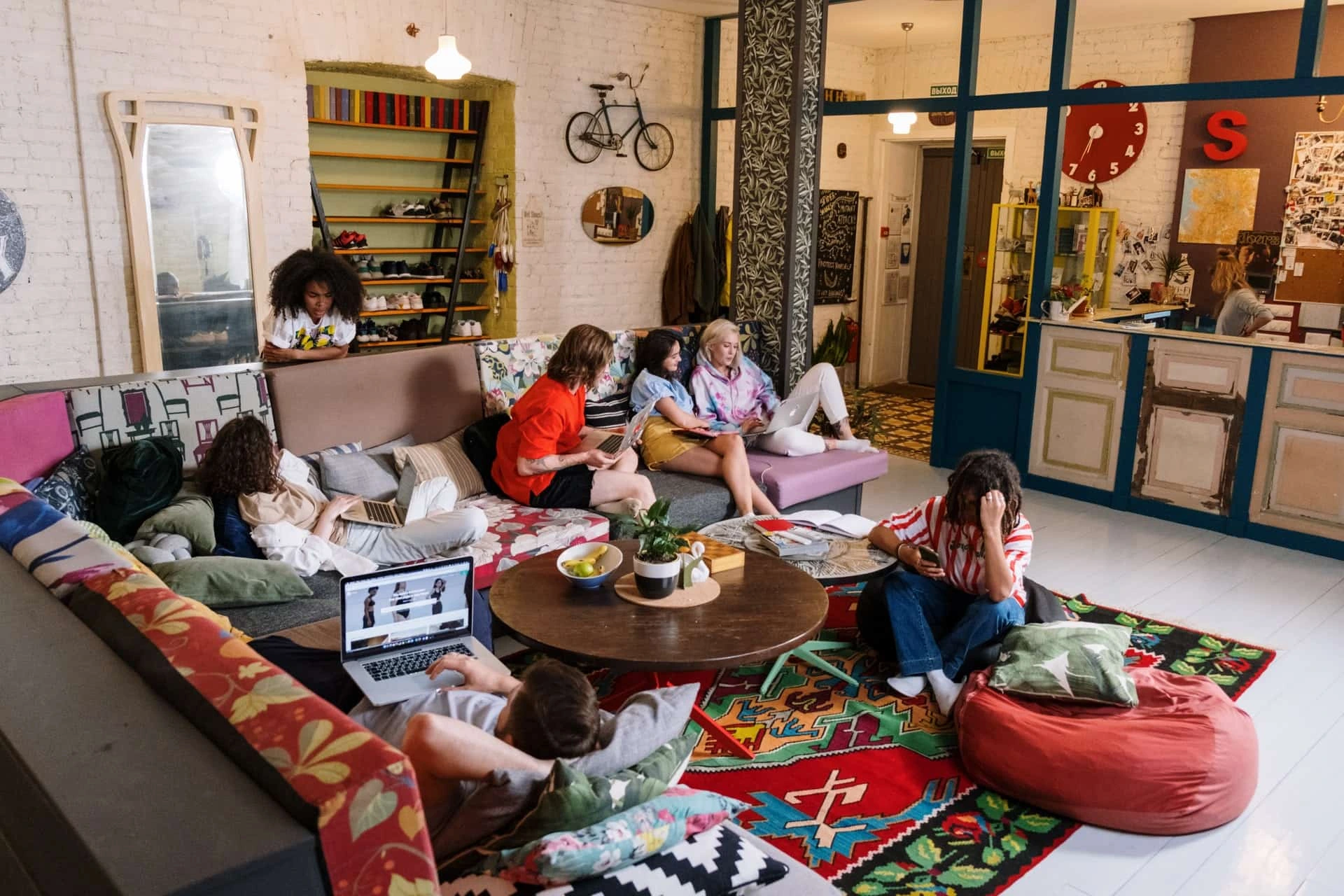
Sober living is housing with rules and company in it. A resident rents a bed in a substance-free house, agrees to testing, keeps curfew, does chores, gets to meetings and holds down work, classes or an outpatient program. No treatment happens at the house itself. What the house takes away are the two things that quietly undo early recovery plans: an unsettled address, and long empty evenings where nobody is expecting anything of you.
Anyone comparing sober living in Northridge is really comparing daily routines rather than furniture. Sunshine Sober Living has served the recovery community since 2019 and takes men and women aged 21 and older, including people managing co-occurring conditions; local reviewers rate the house 4.7 out of 5. The questions worth asking are who is awake at night, how testing is handled, and what happens the first time somebody breaks a rule.
It is a fair question, and the honest answer is often no. Housing around Nordhoff Street and Zelzah Avenue is priced and populated for undergraduates, which means neighbors whose ordinary Thursday includes drinking. Thirty days out of a program, that is a great deal to ask of anyone. The university is not the problem. The problem is signing a lease with no structure attached to it during the month when structure carries the most weight.
Distance solves part of it without costing the degree. Metro Line 240 runs the length of Reseda Boulevard and Ventura Boulevard, so an early lecture is reachable from Tarzana without a car, and the trip back at night ends somewhere substance-free. Both the men’s side of the house and women’s recovery housing here take residents who are partway through a degree and intend to finish it. Sober living in Northridge does not have to mean giving up a semester.
The recovery infrastructure here is unusually good for a suburb. The Valley Club at 8728 Corbin Avenue is a dedicated recovery clubhouse listed as an official location by the San Fernando Valley AA Central Office, with meetings running through the day rather than one evening a week. A clubhouse changes what a bad afternoon looks like, because there is always a room open and somebody already sitting in it.
The venues a Northridge resident is most likely to use are these:
Northridge Metrolink Station at 8775 Wilbur Avenue puts downtown Los Angeles within one ride on the Ventura County Line, which also carries Amtrak Pacific Surfliner service. Closer employers include Northridge Fashion Center at 9301 Tampa Avenue and Northridge Hospital Medical Center at 18300 Roscoe Boulevard, a 411-bed hospital that is one of only two certified trauma centers in the San Fernando Valley and the Valley’s only certified pediatric trauma center.
Leaving the house every morning is not optional, and that is deliberate. A resident with a shift, a lecture or a clinical appointment on the calendar builds a week that holds its own shape. Where a work history needs rebuilding, the house treats that as part of recovery rather than as a problem to be solved after discharge.
The California Department of Health Care Services does not license, certify or investigate complaints against sober living or transitional living homes. A residence that delivers twenty-four-hour non-medical residential recovery or treatment services does need a valid DHCS license. Sunshine Sober Living is recovery housing rather than a treatment facility: no detoxification on site, no clinical program, no medical staff. Families comparing a house to a hospital should hear that distinction stated plainly by anyone they call.
Anyone who still needs a clinical level of care is referred out first. Admissions works with licensed California facilities and Joint Commission-accredited providers, and can arrange medically supervised detoxification or a bed in residential rehabilitation before recovery housing is the right next step. That order matters, and reversing it tends to end badly.
Most residents arrive already stepping down from a program, and a good number keep attending an intensive outpatient program several days a week while living at the house. The two are built to run alongside each other: clinical hours happen somewhere else, and the house holds the remaining twenty-one hours of the day steady while that work goes on.
Federal guidance describes recovery as a process supported by four dimensions, and one of them is home. Health, purpose and community are the other three, which is a useful checklist when somebody asks what progress should look like. By month six a resident usually has a wage coming in, a sponsor, a meeting they would notice missing, and rent they pay themselves.
That is the point at which planning the move out of the house becomes the main piece of work: a lease, a roommate, a budget, and a schedule that survives without a curfew behind it. Extending the stay instead is a reasonable choice rather than a setback, particularly for anyone whose first run at independent living did not hold.
The National Alliance for Recovery Residences sorts recovery housing into four levels, which makes any house easier to judge on a phone call.
| Level | Support model | What it looks like day to day |
|---|---|---|
| Level I | Peer-run | Residents share rent and hold each other to house rules; no paid staff |
| Level II | Monitored | A house manager, written rules, drug testing and a curfew |
| Level III | Supervised | Structured programming and credentialed staff added to house rules |
| Level IV | Service provider | Clinical services delivered on site, closer to a treatment setting |
Ask which level a house operates at before you tour it; admissions staff can say where a person’s needs actually sit.
From Nordhoff Street at Reseda Boulevard, head straight south on Reseda Boulevard for roughly four and a half miles – crossing Roscoe Boulevard, Sherman Way, Vanowen Street, Victory Boulevard and Oxnard Street – to Burbank Boulevard, then west on Burbank Boulevard and north on Donna Avenue. The freeways both run away from Tarzana, so Reseda Boulevard straight down is the standard route. That is about 5 miles, roughly 13-20 minutes in normal traffic.
Sunshine Sober LivingYes, provided the student is 21 or older and committed to a substance-free routine. Plenty of residents are partway through a degree at California State University Northridge and commute back to Nordhoff Street for lectures, labs and shifts. The house schedule is built around people leaving in the morning and coming home in the evening, so class timetables and study hours are normal here rather than an exception.
Not quite. The phrase halfway house usually describes housing tied to a court order or a corrections placement, often with a fixed term. Sober living is voluntary, paid privately or through family, and a resident can stay as long as the house rules are kept. Both provide a substance-free address, but the reason a person is there and the length of stay are different.
Attend meetings, submit to testing, keep curfew, complete assigned chores, pay rent on time, and hold down work, study or an outpatient program. Beyond that, residents are expected to be reachable and honest about where they are going. The structure is not there as punishment; it exists because unplanned hours are where most early relapses start, and a filled calendar is a real protection.
Recovery housing is generally billed as rent rather than as a medical service, so insurance treatment benefits usually apply to clinical care rather than to the room. Verification is available through the site’s insurance page, and admissions will explain what a specific plan does and does not reach. Nobody at Sunshine Sober Living will tell you coverage is certain before a plan has been checked.
Sunshine Sober Living provides structured recovery housing and transitional living. Medical detoxification, residential clinical treatment and other higher levels of care are provided by appropriately licensed treatment providers, and our admissions team can arrange a referral. Recovery is personal, and no sober living program can guarantee a particular outcome. If you or someone you love needs immediate help, the SAMHSA National Helpline is free and confidential on 1-800-662-4357, 24 hours a day.
A bed in Tarzana and a life in Northridge run alongside each other without much friction. If someone in your family is finishing a program and the old apartment is not a safe place to return to, call 866-216-9789 or begin the intake form to schedule a confidential assessment. Asking questions costs nothing, and the answers you get should be specific.