
Sunshine Sober Living is a family-owned structured sober living residence at 5650 Donna Avenue in Tarzana, about three to four miles west of Encino. Adults aged 21 and older live in a substance-free house while working, studying, attending outpatient care and going to meetings across Encino and the San Fernando Valley.
Encino sits just east of Tarzana along Ventura Boulevard, close enough that the two neighborhoods share the Encino-Tarzana Branch Library at 18231 Ventura Boulevard. That closeness is the practical reason families in the 91316 and 91436 ZIP codes look west toward the house on Donna Avenue when someone needs sober living in Encino after treatment ends.
Sunshine Sober Living has served the recovery community since 2019 and is owned and run by the Goldberg family. Residents keep the jobs they hold on the Ventura Boulevard office corridor, the classes they are enrolled in, their therapists and their home groups. The run over from Encino takes nine to sixteen minutes, which keeps all of it in reach.
The End of the Line open men’s AA meeting fills the back room at More Than Waffles, 17200 Ventura Boulevard in the Encino Town Center, every Wednesday lunchtime.
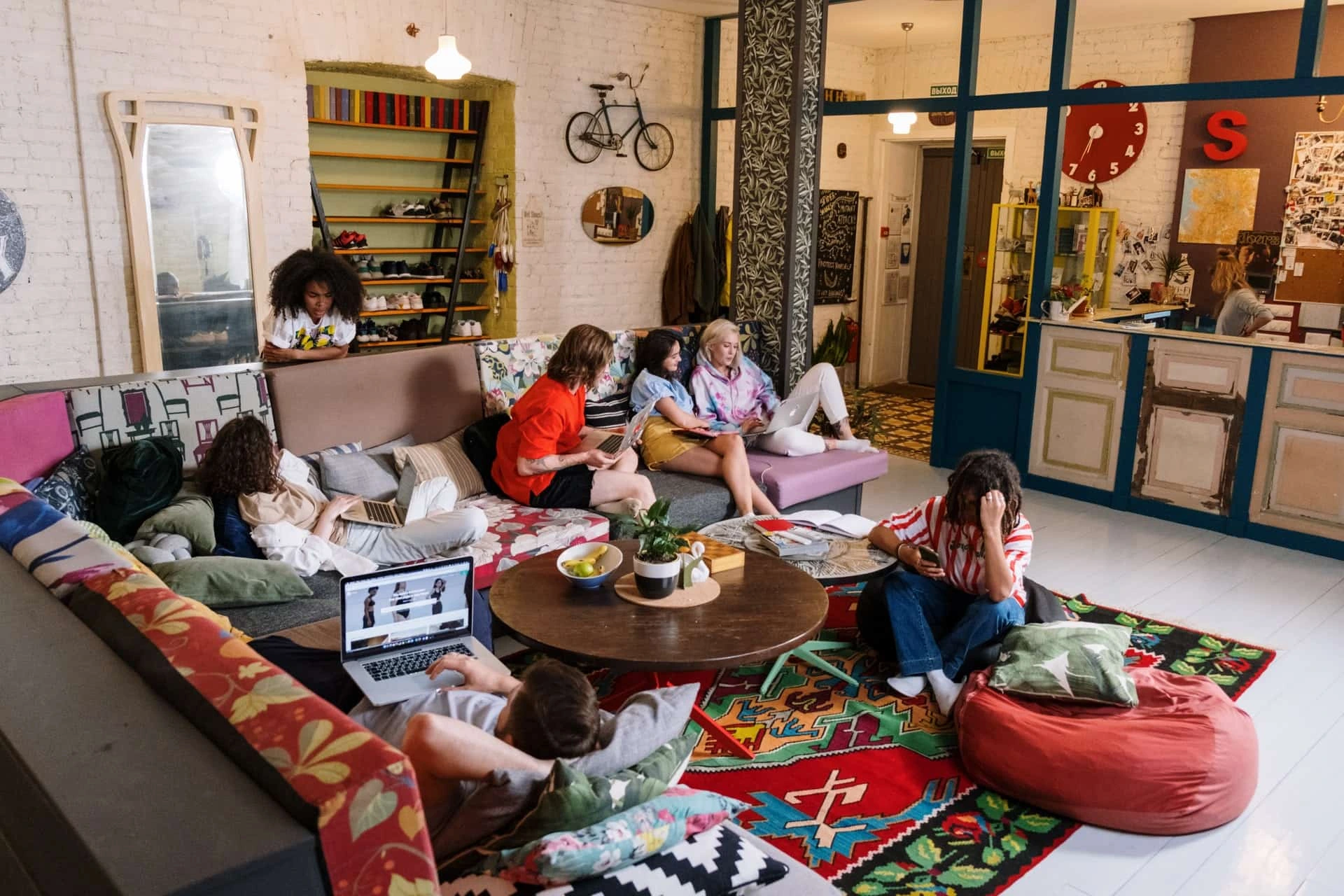
Sober living is housing, not treatment. The residence on Donna Avenue is substance-free and structured: residents keep a curfew, share chores, submit to random testing and hold a job, a class or a treatment schedule. Nothing is prescribed here and nobody withdraws here. What the house supplies is a stable address and a group of peers doing the same work at the same time. The daily structure carries more weight than the furniture.
Men and women aged 21 and older live at Sunshine Sober Living, including people managing co-occurring anxiety, depression or trauma alongside a substance use disorder. Elliot Leonard, the Program Director, brings professional addiction-treatment experience that includes previous work at Jaywalker Lodge. Wendy Goldberg, Founder and Director of Admissions, takes the intake calls herself. Local reviewers rate the house 4.7 out of 5.
Encino is a commuter neighborhood and the house is set up for commuters. The Ventura Boulevard office corridor, one of the Valley’s densest concentrations of business-management, law, accounting and real-estate firms, runs between the two neighborhoods, with Encino Hospital Medical Center at 16237 Ventura Boulevard on the same strip. Residents whose work sits over the hill take the I-405 across the Sepulveda Pass toward Century City, Westwood and UCLA.
A car is not required. Metro Line 240 covers the Ventura Boulevard and Reseda Boulevard corridors, Line 150 terminates in Encino, and Lines 235 and 236 serve Balboa Boulevard. The G Line busway stations at Balboa and Woodley sit roughly two miles north across the Sepulveda Basin, and Van Nuys is the nearest Metrolink station for anyone commuting further afield.
Two Encino meetings come up again and again. The Squirrelly on Sunday discussion group meets outdoors on Sunday mornings at Encino Park and the Encino Community Center, 16953 Ventura Boulevard, listed by the San Fernando Valley AA Central Office. The End of the Line open men’s meeting fills the back room at More Than Waffles, 17200 Ventura Boulevard in the Encino Town Center, on Wednesday lunchtimes, listed by the Los Angeles Central Office of AA.
Closer to Donna Avenue, St. Innocent Orthodox Church at 5657 Lindley Avenue in Tarzana is the nearest established church-hosted meeting to western Encino. Residents pick a home group early rather than drifting between rooms, because the group that notices an absence is worth more than the group with the best coffee.
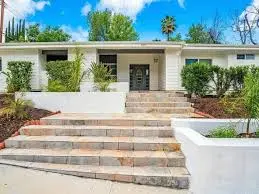
Weekdays start at the same hour for everyone and run on a rhythm rather than a rulebook. Beds get made, chores get done, and the house empties out toward work, school or an outpatient session. Evenings bring a house meeting, an off-site meeting, or both, and a curfew that does not slide. Men’s sober living in Encino and the women’s program run on the same frame with separate peer groups.
A typical week includes:
California draws a hard line between the two. The Department of Health Care Services holds sole authority to license facilities providing residential non-medical recovery services, with licensure triggered by detoxification, individual or group sessions, educational sessions or treatment planning. DHCS also states that it does not license, certify or investigate complaints against sober living homes. Sunshine Sober Living is recovery housing, so clinical care is referred out to licensed providers rather than delivered on Donna Avenue.
The National Alliance for Recovery Residences sorts residences into four levels: peer-run Level I, monitored Level II with a house manager, supervised Level III adding structured programming and credentialed staff, and clinical Level IV. Knowing where a house sits on that scale tells a family more than any tour. Recovery housing near Encino walks through the levels, and the bridge between rehab and independent living covers the step-down.
Length of stay is the one variable a resident controls directly. In a study of 455 sober living house residents, those who stayed at least six months had significantly more days abstinent, fewer psychiatric and depression symptoms, and lower odds of an ongoing substance use disorder or legal problems than those who left earlier. Thirty days is a start. Six months changes the arithmetic for people who find sober living in Encino worth the effort.
Admissions plans for that length from the first phone call: the job, the outpatient care that continues, who is paying and how. Sunshine works with licensed California treatment facilities and Joint Commission-accredited facilities and arranges referrals for detox, residential rehabilitation and intensive outpatient treatment. Benefits are checked through the insurance verification page, with no promises made about what a plan will cover.
These four get confused constantly, and the difference matters when an Encino family chooses.
| Level of care | What it provides | How Sunshine relates |
|---|---|---|
| Medical detox | Short-term withdrawal management under medical supervision | Referred out; never provided at the house |
| Residential rehabilitation | Licensed 24-hour clinical treatment in a facility | Referred out; many residents arrive from it |
| Intensive outpatient | Structured therapy several days a week, living elsewhere | Residents attend while living on Donna Avenue |
| Structured sober living | A substance-free home, peer accountability, curfew and testing | What Sunshine provides in Tarzana |
Sunshine Sober Living is the bottom row and refers out for the three above it.
From central Encino at Ventura Boulevard and the Encino Town Center, head west on Ventura Boulevard into Tarzana, north on Reseda Boulevard, west on Burbank Boulevard, then north on Donna Avenue. The freeway alternative is US-101 west from Balboa Boulevard or White Oak Avenue to Exit 23 (Reseda Boulevard), then north to Burbank Boulevard. That is about 3 to 4 miles, roughly 9-16 minutes in normal traffic.
Sunshine Sober LivingYes, and several do. The I-405 runs along the eastern edge of Encino and carries traffic over the Sepulveda Pass, putting Century City, Westwood and UCLA roughly eight to twelve miles south. Residents build the commute around house obligations, so the curfew and the evening meeting go on the calendar before the work schedule does.
Sunshine Sober Living accepts adults 21 and older living with co-occurring conditions such as anxiety, depression or trauma alongside a substance use disorder, provided they are stable enough for a non-clinical setting. Therapy and psychiatric care continue with outside licensed providers. The house supports that care with structure and a schedule that protects appointments.
No. A rehabilitation facility delivers licensed clinical treatment. A sober house provides supervised housing for people already stable enough to work, study or attend outpatient care. Sunshine Sober Living in Tarzana is the second kind. It is not a detox, not a hospital and not an intensive outpatient program, and it refers residents out when those levels of care are needed.
A new resident settles into the daily rhythm quickly: a set wake-up time, chores, testing, a house meeting and a curfew. Within the first weeks the expectation is a home group, a sponsor search underway, and either employment, enrollment or a treatment schedule in place. Elliot Leonard helps sequence those steps so nobody tries to rebuild everything at once.
Yes. Tours and assessments are arranged through the admissions office rather than by dropping in, which protects the privacy of the people already living there. Wendy Goldberg walks families through current openings, expectations and what the referral network can offer. The number is 866-216-9789, and the conversation stays confidential from the first minute.
Sunshine Sober Living is structured sober living. It is not a hospital, a detox unit or a clinical program. Where someone needs medical or clinical care, our admissions team refers to licensed California providers and to Joint Commission-accredited facilities. Outcomes in recovery are individual and cannot be guaranteed. If you or someone you love needs immediate help, the SAMHSA National Helpline is free and confidential on 1-800-662-4357, 24 hours a day.
Recovery holds better when the address is stable and the drive is short. If someone in Encino is finishing treatment and needs a substance-free place to land, the admissions team will talk through openings, schedules and next steps in one call, with no pressure attached. Get in touch with the admissions office or call 866-216-9789 to schedule a confidential assessment.