
Recovery housing is substance-free shared housing with rules and peer accountability, not licensed clinical treatment. Sunshine Sober Living operates a family-owned recovery residence in Tarzana serving Sherman Oaks and the central San Fernando Valley, open to adults 21 and older who are working, studying or attending outpatient care. Call 866-216-9789.
The vocabulary gets used loosely. Sober living home, recovery residence, transitional housing, halfway house: people mean roughly the same thing by all four, and the differences start to matter once you are choosing one. This page sets out what recovery housing for Sherman Oaks families means under California rules, how the national standards grade it, and what the research says about staying. The area overview describes the house itself.
Sunshine Sober Living has been part of the recovery community since 2019, run by the Goldberg family with Elliot Leonard as program director. The residence sits on Donna Avenue in Tarzana, a straight run west of Sherman Oaks on US-101, within reach of the Encino corridor and most of the Valley’s outpatient providers.
Sherman Oaks housing splits along Ventura Boulevard into hillside streets and denser apartment blocks, and neither is easy to rent on a first paycheque after treatment, which is what a shared recovery residence solves.
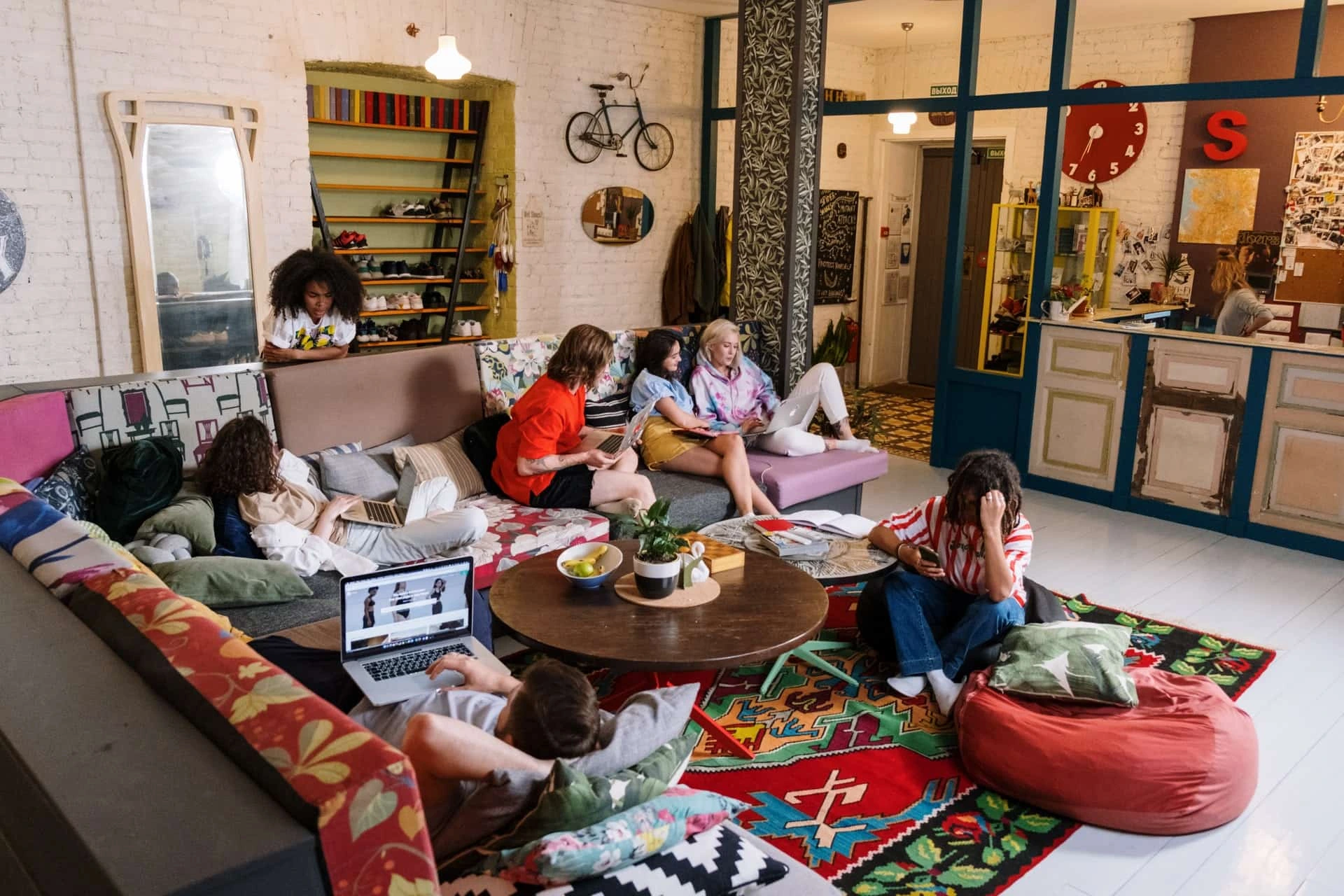
Recovery housing is a place to live. Residents pay to stay, follow house rules, submit to testing and take part in running the home. There are no doctors on site, no therapy groups, no medication management and no clinical programming of any kind. Treatment, where a person needs it, happens somewhere licensed to provide it, and the housing is what surrounds that treatment with an ordinary, structured life.
California draws the line explicitly. The Department of Health Care Services states that it does not license, certify or investigate complaints against sober living or transitional living homes, but that a residence providing twenty-four-hour non-medical residential recovery or treatment services does require a licence. Put plainly, the moment a house starts delivering treatment it stops being a sober living home in the eyes of the state. Anyone comparing operators should ask which side of that line a house sits on.
The National Alliance for Recovery Residences sorts recovery residences into four levels. Level I is peer-run with no paid staff. Level II is monitored, with a house manager. Level III is supervised, adding structured programming and credentialed staff. Level IV is a clinical setting operated by a service provider. The levels are a vocabulary rather than a ranking; a Level I house can be exactly right for one person and useless for the next.
Ask any operator where its house sits and what that means for a Tuesday evening. The practical questions are simple enough: who is awake at night, who enforces curfew, what follows a positive test, and how the house handles somebody who suddenly needs more care. A fuller explanation of addiction recovery housing answers those in general terms.
The research suggests it does. In a study of 300 sober living house residents, abstinence rose from 11 per cent at entry to 68 per cent at six and twelve months, with average lengths of stay of 254 days and 166 days across the two programmes examined, both well past the ninety-day mark researchers treat as a floor. Housing is not therapy, and no honest operator promises a result from an address alone.
What a house does is remove a set of daily decisions. Where to sleep, who is around at midnight, whether there is alcohol in the fridge: those get answered once, at move-in, rather than every evening. Alcohol recovery housing and housing after drug treatment work on exactly the same principle.
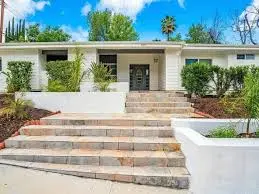
Sherman Oaks had a population of roughly 66,700 in 2022 at a comparatively low density of about 6,700 people per square mile, and the housing splits along Ventura Boulevard: apartment and condominium blocks on the flats to the north around Sepulveda and Van Nuys Boulevards, winding hillside streets climbing toward Mulholland Drive to the south. Neither half is easy to land in on a first paycheque after treatment.
A shared residence is often the only address a person can realistically hold while income restarts, which is why recovery housing near Sherman Oaks tends to mean a house a few miles west. It also needs to sit near something useful: the Sherman Oaks Martin Pollard Branch Library at 14245 Moorpark Street is where residents fill in applications, and Providence Cedars-Sinai Tarzana Medical Center covers the neighbourhood the house sits in. Recovery community housing covers the shared-living side.
It does not detox anybody. It does not diagnose, prescribe or provide counselling, and it never promises that a resident will stay sober. Sunshine Sober Living refers residents to licensed California facilities and Joint Commission-accredited providers when someone needs supervised withdrawal management or a return to residential treatment, and many residents attend outpatient programmes while living in the house rather than instead of it.
Usually badly, and that is forgivable. The conversation tends to happen at the worst possible moment, in a car, after something went wrong. It goes better when the family has already looked at what recovery housing in Sherman Oaks actually involves and can describe one specific house instead of a vague intention. What to do when someone refuses sober living is worth reading before that conversation rather than after it.
The four levels differ in staffing and in how much programming happens under the roof.
| Level | Staffing | What daily life looks like |
|---|---|---|
| Level I | Peer-run, no paid staff | Residents set and enforce the rules together |
| Level II | Monitored, with a house manager | Chores, curfew and testing overseen daily |
| Level III | Supervised, credentialed staff | Structured programming alongside the housing |
| Level IV | Clinical service provider | Treatment delivered on site under licence |
Sunshine Sober Living provides housing rather than clinical services and refers residents to licensed providers for treatment.
The house is about 6.5 miles from Sherman Oaks, roughly 12-18 minutes in normal traffic. The full route, turn by turn, is on the directions page below.
Sunshine Sober LivingNo. The Department of Health Care Services states plainly that it does not license, certify or investigate complaints against sober living or transitional living homes. Licensure applies to residences providing twenty-four-hour non-medical recovery or treatment services, which is a different category. That is precisely why the questions a family asks an operator directly matter so much when comparing houses.
The terms overlap in ordinary speech, but a halfway house has historically meant housing tied to a court, a correctional system or a treatment programme, often with a fixed time limit and a referral requirement. A sober living home is private housing that people enter voluntarily and leave when they are ready. Sunshine Sober Living belongs in the second category.
Adults aged 21 and older who are committed to long-term recovery and able to live in a shared home under house rules, including people with co-occurring mental health conditions. Residents work, study, attend outpatient care or some combination of the three. Anyone still in withdrawal needs medical care first, and admissions will say so plainly and arrange a referral instead.
Yes. A substance-free house only stays substance-free if the rules mean something, so testing, curfew and conduct expectations are enforced rather than posted and forgotten. The program director handles each situation individually, and the aim wherever possible is a referral to a higher level of care rather than simply putting somebody out on the street.
Outpatient treatment is not universal among residents, but it is common, and the weekly schedule is designed to protect appointments rather than clash with them. Some residents arrive with an intensive outpatient program already running; others are further along and rely on meetings, a sponsor and work. Admissions discusses which pattern fits during the confidential assessment.
What we run is recovery housing: a substance-free address with rules, accountability and peer support. Clinical treatment belongs with licensed providers, and admissions can arrange that referral. Nobody, including us, can guarantee how any individual recovery will go. If you or someone you love needs immediate help, the SAMHSA National Helpline is free and confidential on 1-800-662-4357, 24 hours a day.
If you are trying to work out whether recovery housing in Sherman Oaks is the right next step for someone you love, a phone call costs nothing and clears up most of it. Admissions answers on 866-216-9789, or start with the intake form and a confidential assessment. The house sits a straight run west of the neighbourhood on US-101, and families are welcome to ask hard questions first.