
Sunshine Sober Living offers structured womens sober living for Sherman Oaks referrals at its family-owned house in Tarzana. Women aged 21 and older, including those managing anxiety, depression or trauma alongside a substance use disorder, live substance-free while working, parenting and keeping their own meetings and appointments. Admissions: 866-216-9789.
Women arrive in early recovery carrying a different set of obligations. There is often a job, a custody schedule, a parent who needs checking on, and a therapist worth keeping. The house in Tarzana is built to work around those rather than suspend them, and Sherman Oaks stays a short run east on US-101. The area page covers the neighbourhood itself.
Wendy Goldberg, Founder and Director of Admissions, takes most first calls, and they come as often from a sister or a mother as from the woman herself. Sunshine has been family-owned since 2019, and what the family runs the house for is plain enough: a safe address, a predictable week, and people who notice an absence.
The women’s discussion meeting at Sherman Oaks United Methodist Church on Dickens Street lets a resident keep a women-only home group in Sherman Oaks after she moves into the Tarzana house.
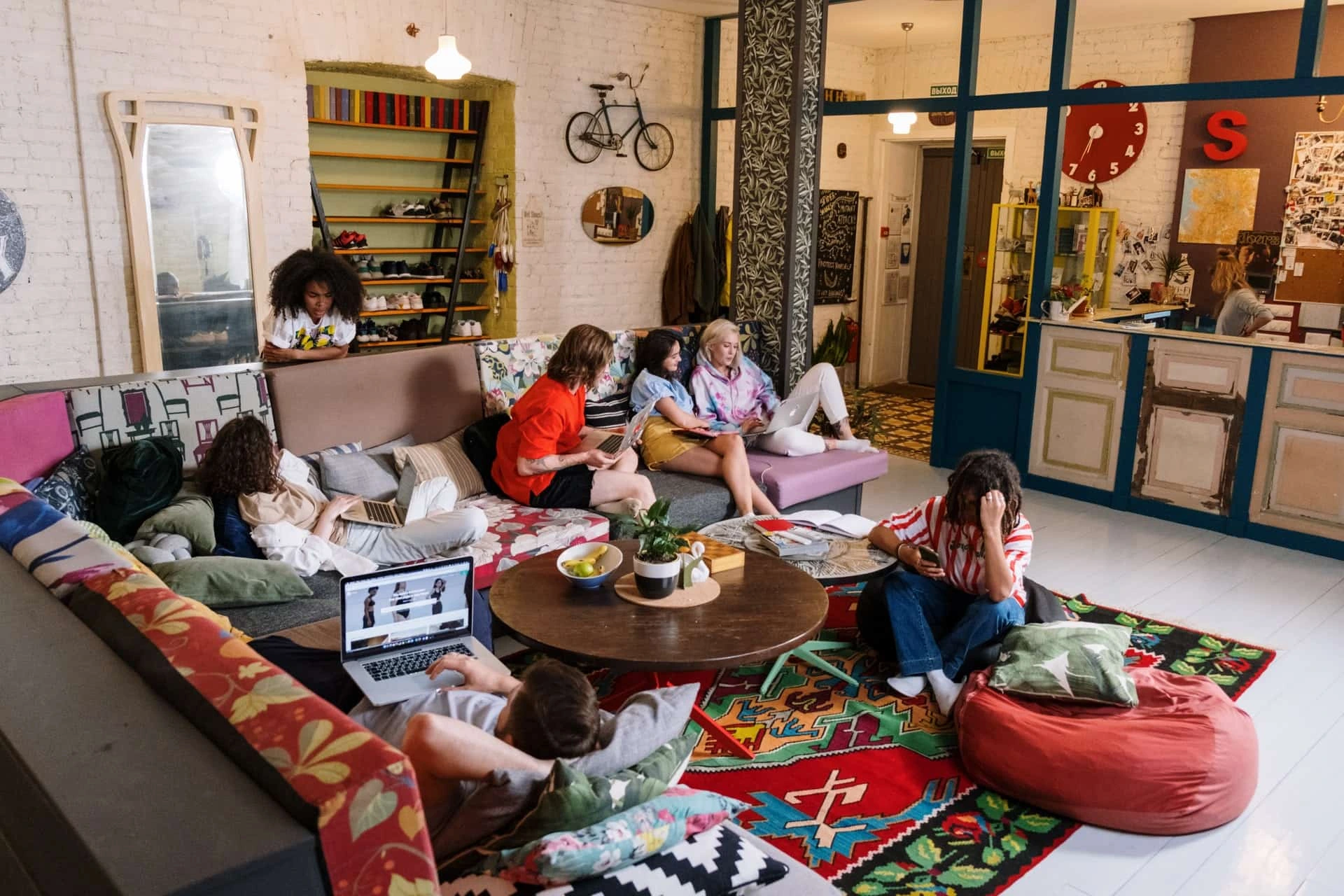
Safety is not an abstraction here. Many women entering womens sober living near Sherman Oaks have histories that make a chaotic living situation genuinely unsafe, and a house that is loud about accountability while careless about privacy does not help them. The women’s side of Sunshine runs on quiet, consistent expectations: who is in the house, who is due back, what happens at the weekend, and where personal belongings stay.
SAMHSA’s 2023 recovery housing guidance names ten best practices, among them being recovery-centred and using social model principles. The social model is the part that matters most day to day: the house works because residents run the life of it together, not because staff hover over every hour. Recovery housing in the Sherman Oaks context sets the model out in more depth.
The Los Angeles Central Office lists a women’s discussion meeting among the five weekly AA meetings at Sherman Oaks United Methodist Church on Dickens Street. For a woman who already has a home group in that room, moving to Tarzana does not mean starting over; the drive back is straightforward and the faces stay the same. New residents are encouraged to walk in early rather than waiting until they feel presentable.
Meetings are also where the logistics get solved, quietly, by women who have already solved them. A ride, a swap, an hour of watching each other’s children after school: that is the practical side of a women’s fellowship, and it is one reason the women’s program leans on outside meetings instead of trying to replace them. Women’s sober living in Sherman Oaks works best when the fellowship, rather than the house, becomes the centre of gravity.
Nobody pretends this part is simple. A custody visit and a Tuesday shift do not rearrange themselves because someone got sober. What a structured house can do is make the week visible: curfew known in advance, chores on a rotation, transport planned rather than improvised. Women with children at schools around Sherman Oaks, including Notre Dame High School and The Buckley School, keep those runs and build them into the schedule with the program director.
Family time also needs somewhere ordinary to happen. The Van Nuys/Sherman Oaks Recreation Center and Park gives an afternoon with a child a park bench and open ground, which is easier on everyone than a formal sitting room. The case for structured transitional living explains how visits like that fit into a longer plan.
Sunshine accepts women with co-occurring conditions, and it does not treat them. That distinction is legal as much as practical. California’s Department of Health Care Services holds sole authority to license facilities providing residential non-medical recovery services, and licensure is triggered by things like detoxification, individual or group sessions and treatment planning. A sober living home that started running therapy groups would become a different kind of facility altogether.
So the therapist stays the resident’s own, and so does the psychiatrist. Appointments at an intensive outpatient program are protected in the weekly schedule, and admissions can arrange a referral into licensed residential treatment when someone needs more care than housing can offer. What the house adds is the other twenty-two hours: meals, sleep, company and a reason to be somewhere at a fixed time.
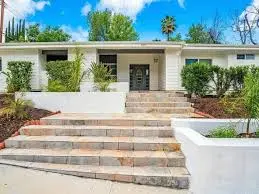
Confidentiality is a house norm rather than a poster on a wall. Residents do not discuss each other outside the house, visitors are arranged rather than sprung on people, and nobody advertises the address. Families in Sherman Oaks sometimes ask whether the neighbours know; Donna Avenue is a residential street of single-storey homes in Tarzana, and the house reads as a home because that is what it is.
Financial safety counts as well. Insurance verification runs through the verification form with no promise about what a payer will decide, and no resident is ever passed between facilities for a fee. Refusing patient brokering is one of the practices SAMHSA names outright, and it is a fair thing to ask any operator about before signing anything.
Work returns sooner than most women expect. The retail and office anchors around Sherman Oaks, including Westfield Fashion Square at 14006 Riverside Drive and the Ventura Boulevard professional corridor, hire steadily, and Sherman Oaks Hospital at 4929 Van Nuys Boulevard sits at the centre of a sizeable healthcare workforce. Residents start job-hunting in the first fortnight, take what is available, and build from there.
A first paycheque after treatment does more for a woman’s sense of herself than a month of encouragement from anyone else. The transitional living page for this area describes how work, savings and an exit plan fit together over a longer stay. Until then, a good week is an unremarkable one: shifts covered, a meeting attended, a call returned to somebody who asked how it was going.
These are the four things women ask admissions about most often before moving in.
| What a resident is managing | How the house works with it | What the house does not do |
|---|---|---|
| A weekday job on the Ventura Boulevard corridor | Chores and curfew arranged around shifts | Find or promise employment |
| Children and custody time | A predictable, visible weekly schedule | Provide childcare or house children |
| Therapy and psychiatric care | Appointments protected, referrals arranged | Provide counselling or medical treatment |
| Insurance questions | Verification through the insurance form | Promise what a payer will cover |
Sunshine Sober Living is recovery housing in Tarzana serving women from Sherman Oaks and the central San Fernando Valley.
The house is about 6.5 miles from Sherman Oaks, roughly 12-18 minutes in normal traffic. The full route, turn by turn, is on the directions page below.
Sunshine Sober LivingYes. The house is open to women aged 21 and older, including those living with co-occurring mental health conditions, provided they are committed to long-term recovery and able to manage their own care. Sunshine is not a treatment provider, so clinical support continues with the woman’s own therapist, psychiatrist or outpatient program while she lives in the house.
Keeping an established therapeutic relationship is encouraged rather than merely allowed. Residents attend their own appointments, and the weekly schedule of chores, meetings and curfew is arranged so those sessions are protected. Since the house provides housing rather than treatment, nothing about a move-in changes who provides a resident’s clinical care or how often she sees them.
Most residents begin looking within the first two weeks. An early job is rarely the right long-term job, and it is not supposed to be; it provides income, structure and a reason to leave the house each morning. The Ventura Boulevard corridor and the retail and healthcare employers around Sherman Oaks are the usual starting points for that search.
The women’s discussion meeting at Sherman Oaks United Methodist Church on Dickens Street is the natural first stop, since it is one of five AA meetings the Los Angeles Central Office lists at that address each week. Starting in a women-only room makes the first few visits easier, and residents can add mixed meetings and a sponsor from there.
That is the most common route in. Admissions coordinates with licensed California treatment facilities and Joint Commission-accredited providers so the move happens on discharge day rather than a fortnight later, when the gap has already done its damage. A confidential assessment by phone establishes whether the house is the right next step before anything is arranged.
This is a recovery residence, not a treatment facility. Detox, residential rehabilitation and intensive outpatient care are delivered by licensed providers, and Sunshine can make the introduction where a higher level of care is the right call. No program can promise a particular result, and we will not suggest otherwise. If you or someone you love needs immediate help, the SAMHSA National Helpline is free and confidential on 1-800-662-4357, 24 hours a day.
If you are a woman weighing up women’s sober living near Sherman Oaks, or a family in Sherman Oaks worried about someone who is about to be discharged with nowhere settled to go, admissions will talk it through in confidence. Call 866-216-9789 or use the contact page to schedule an assessment. Sunshine Sober Living is rated 4.7 out of 5 by local reviewers.