
Sober Housing After Rehab
Supporting Your Transition to Independent Living
Many people leave rehab feeling motivated, but adjusting to daily responsibilities without the structure of treatment can be overwhelming. Returning to work, rebuilding relationships, managing stress, and avoiding old triggers all happen at the same time.
Sober housing after rehab helps bridge this gap by providing a recovery-focused environment where individuals can gradually transition back to independent living while maintaining accountability and healthy routines.
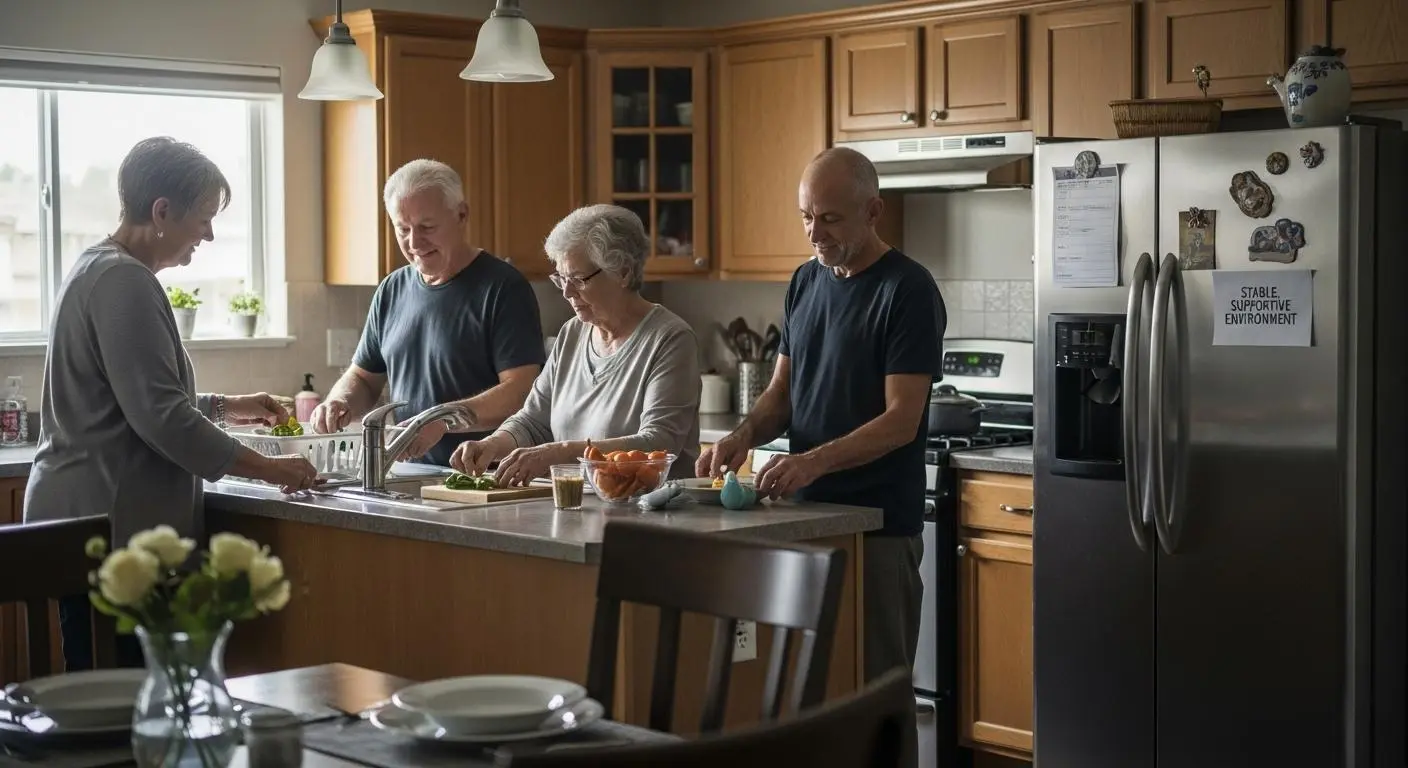
How Sober Housing Helps You Adjust to Everyday Life
Leaving rehab often means returning to responsibilities that may have been on hold during treatment. Recovery housing provides an opportunity to practice those responsibilities while still receiving peer support and accountability.
Residents are encouraged to:
- Establish consistent morning and evening routines.
- Manage work, school, or personal responsibilities responsibly.
- Continue attending recovery meetings.
- Build healthy coping strategies for everyday stress.
- Develop stronger communication and life skills.
- Work toward personal and recovery-related goals.
This gradual transition helps many individuals feel more confident before moving into independent living.
Why Structure Still Matters After Rehab
The routine established during rehab often plays an important role in early recovery. Sober housing helps maintain that consistency by encouraging healthy habits, personal responsibility, and accountability.
Residents benefit from:
- A substance-free living environment.
- Daily structure and clear expectations.
- Peer encouragement and shared recovery goals.
- Reduced exposure to relapse triggers.
- A supportive community focused on recovery.
- Opportunities to build confidence and independence.
Maintaining structure after rehab can make the transition to everyday life feel more manageable while supporting long-term recovery.
How the Move-In Process Works
Moving into sober housing after rehab doesn’t have to feel overwhelming. Our admissions process is designed to help individuals make a smooth transition from treatment to a structured recovery environment.
1. Initial Conversation
We begin by learning about your recovery journey, current treatment status, and personal goals to determine whether sober housing is the right next step.
2. Recovery Assessment
Our team reviews your current stage of recovery and discusses any ongoing support you may need, including outpatient treatment or other recovery resources.
3. Move-In Planning
Once you’re accepted, we’ll guide you through the move-in process, explain house expectations, and answer any questions so you know what to expect from day one.
4. Settling into the Recovery Community
After moving in, residents begin adjusting to daily routines, building relationships with peers, and participating in a recovery-focused environment that encourages accountability and personal growth.
5. Building Toward Independent Living
As residents gain confidence and strengthen healthy habits, they continue working toward personal goals such as employment, education, rebuilding relationships, and preparing for independent living.

Need Continued Treatment or Outpatient Support?
Some individuals may still benefit from additional clinical care after completing residential rehab. Continuing treatment can help strengthen recovery before transitioning to full independence.
When appropriate, referrals are available for:
- Intensive Outpatient Programs (IOP)
- Partial Hospitalization Programs (PHP)
- Individual counseling
- Continuing addiction recovery services
Combining recovery housing with ongoing treatment can provide additional support during this important stage of recovery.
Why Families Choose Sunshine Sober Living After Rehab
Families often wonder whether their loved one is ready to return home immediately after rehab. A structured sober living environment can provide reassurance that recovery remains the priority while individuals continue building independence.
Families appreciate:
- A safe and substance-free recovery environment.
- Structured daily routines and accountability.
- Comfortable, well-maintained housing.
- Peer support from others in recovery.
- Access to trusted treatment providers when needed.
- Guidance that encourages long-term independence.
We proudly support individuals transitioning from rehab throughout Woodland Hills, Los Angeles, and surrounding San Fernando Valley communities.
Need a Safe Place to Continue Your Recovery?
Whether you’re planning your next step after treatment or helping a loved one find continued support, our admissions team is here to answer your questions and help you explore available sober housing options.
Frequently Asked Questions
What is sober housing after rehab?
Sober housing after rehab is a structured, substance-free living environment designed to help individuals continue their recovery while transitioning from treatment to independent living.
Do I have to move into sober housing immediately after rehab?
Not always. The right next step depends on your treatment team’s recommendations, your recovery progress, and whether your home environment supports continued sobriety.
How long do people usually stay in sober housing after rehab?
The length of stay varies depending on individual recovery goals. Many residents remain for several months while building healthy routines and preparing for independent living.
Can I attend outpatient treatment while living in sober housing?
Yes. Many residents participate in Intensive Outpatient Programs (IOP), counseling, or other recovery services while living in sober housing.
What are the benefits of moving into sober housing after rehab?
Sober housing provides structure, accountability, peer support, and a substance-free environment that can help individuals maintain recovery and confidently transition back to everyday life.