
Structured transitional living is the bridge between finishing treatment and living independently. Sunshine Sober Living provides it for Calabasas residents from a house in Tarzana, nine miles east, where adults aged 21 and older keep a curfew, submit to drug testing and hold a daily schedule while returning to work, school and outpatient care.
Discharge day is the most dangerous appointment on the calendar. A person walks out of a structured environment where every hour was accounted for and into a week with nothing in it, and the gap between those two states is where a great deal of hard-won progress disappears. Structured transitional living is designed to close that gap deliberately rather than hoping willpower covers it.
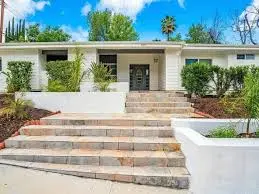
For a family in Calabasas the practical shape is a room in Tarzana, roughly fifteen to twenty-two minutes east on US-101, in a house where somebody notices what time you came in. Housing straight after rehab is not a downgrade from treatment; it is the part of the plan where the lessons get tested against a Tuesday.
The Calabasas Library on Civic Center Way, the city’s own rather than a Los Angeles branch, is where a lot of residents write job applications during the re-entry phase of a stay.
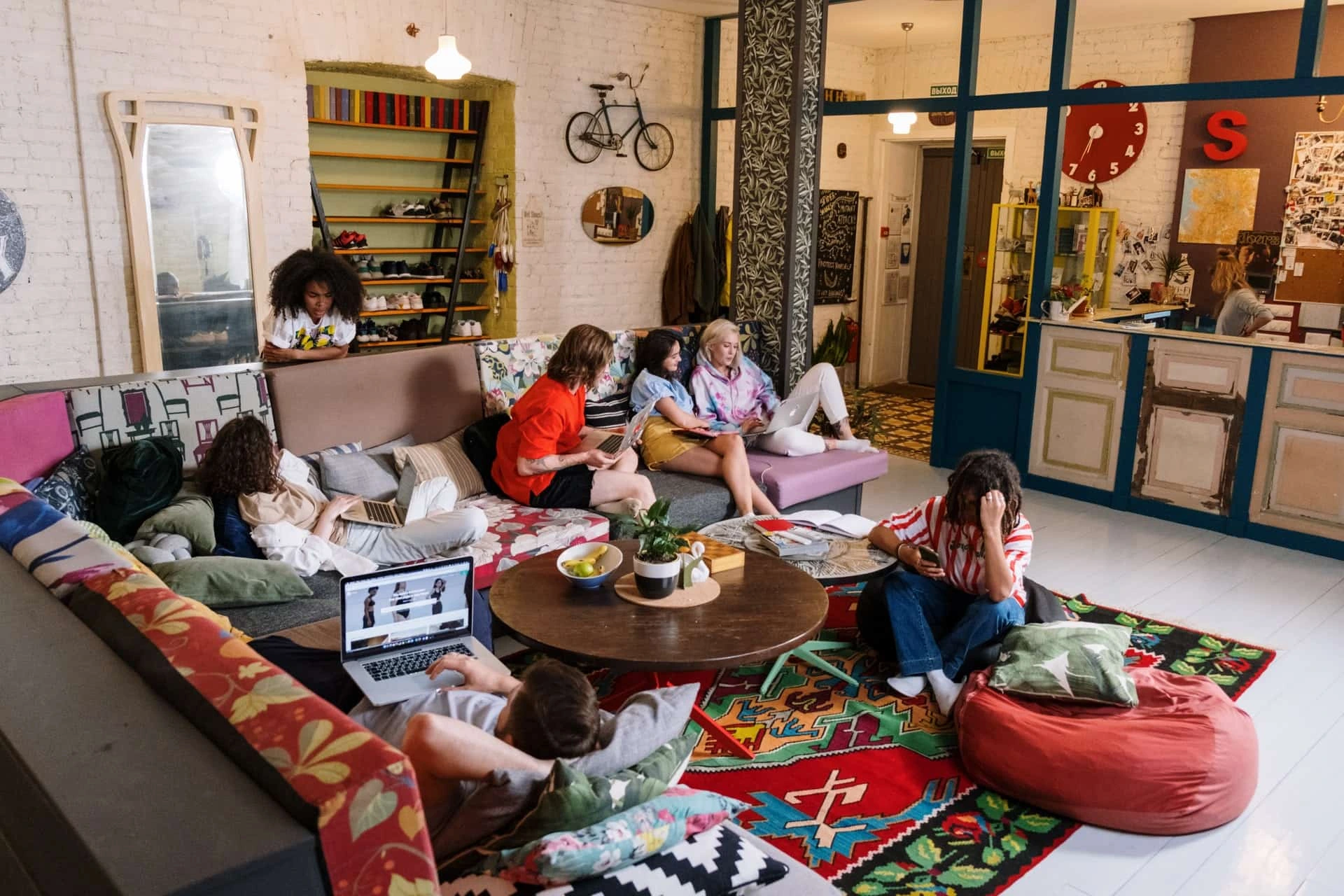
It starts at discharge, not weeks later. Transitional living sits between residential treatment and an independent lease: a shared, substance-free home occupied by adults who are working, studying or attending an outpatient program during the day. Structured transitional living in Calabasas means exactly that arrangement, a few miles east of the city. The structure is not there to control anyone, but because a newly rebuilt routine has no momentum of its own yet.
The word structured is doing real work in that phrase. A room in a shared house with no curfew, no testing and no expectations is just a room. What makes the arrangement transitional is that it is designed to be outgrown, with responsibility handed back as a person shows they can carry it.
Each stage asks for more and supervises less. Detox handles the body. Residential treatment handles the clinical work in a closed setting. An outpatient program plus transitional living gives back the daytime and the paycheck while keeping the evenings and the address accountable. Independent living gives back everything, which is why arriving there in the right order matters so much.
Skipping a rung is the most common mistake families make, usually with the best intentions and the phrase he seems fine now. The instinct is kind and the timing is wrong. Post-rehab housing exists precisely because seeming fine at week four is not the same as being able to hold a month together unsupervised.
Enough to catch a problem early and not so much that nobody learns anything. State licensure is triggered when a residence provides detoxification, individual or group sessions, educational sessions, treatment planning or incidental medical services. Structured transitional living deliberately stops short of all of those, which is why Sunshine provides housing, accountability and referrals while licensed partners provide the treatment.
Inside that boundary the house still asks a lot. A curfew, testing, a house meeting, chores, and a documented plan for the day. What changes over a stay is not the rules but how much of the schedule a resident builds themselves, and how the structure works in practice is worth reading before move-in rather than after.
Longer than a month, in every serious study of the question. In research covering 300 sober living residents, abstinence rose from 11 percent at entry to 68 percent at six and twelve months, with average stays of 254 and 166 days across the two programs studied, both well beyond the ninety-day minimum that NIDA associates with meaningful benefit.
Leaving is planned out loud, in advance, with dates attached. Where will you live, what is the rent, which meeting is your Tuesday, who gets the call at eleven at night, and what happens in the first week when the structure disappears. The common patterns behind relapse after treatment are mostly patterns of unplanned transitions.
Structured transitional living near Calabasas is meant to end in a move back. It looks like a normal week with recovery built into it rather than bolted on. The Tuesday open discussion meeting at Church in the Canyon on Las Virgenes Road is still there. So is the Calabasas Library on Civic Center Way for study or job applications, The Commons at Calabasas and the Old Town district on Calabasas Road for ordinary errands, and Gates Canyon Park or Juan Bautista de Anza Park for the walk that makes an evening pass.
Work and study anchor the rest. The Agoura Road corridor and the Conejo Valley business parks are within a short drive, and California Lutheran University and Los Angeles Pierce College are both reachable for anyone finishing a qualification. Men leaving the house and women doing the same tend to plan that re-entry differently, but nobody should be planning it alone in the final fortnight.
Almost always the same three things: how quickly can they move in, what does it cost, and what happens if this does not work. The answers are usually within days, it depends on the arrangement and admissions will be specific about it, and a setback triggers a conversation about the right level of care rather than a locked door.
The call itself is confidential and there is no pressure attached to it. Ask about timing, cost, the house rules and what happens after a setback, and expect a straight answer to all four. Wendy Goldberg takes intake calls at 866-216-9789, and what comes after a rehab discharge covers the questions most families have not thought to ask yet.
Four stages, each one supervising less and expecting more.
| Stage | Where it happens | What the person is practicing |
|---|---|---|
| Detox | A licensed medical facility | Getting through withdrawal safely |
| Residential rehab | A licensed treatment facility | Therapy, diagnosis, the first sober weeks |
| Outpatient plus transitional living | Clinic by day, structured house by night | Real days with real accountability |
| Independent living | A lease of their own | Everything at once, unsupervised |
Most people who come unstuck do it by jumping from the second row straight to the fourth.
The house is about 9 miles from Calabasas, roughly 15-22 minutes in normal traffic. The full route, turn by turn, is on the directions page below.
Sunshine Sober LivingIn everyday use they overlap heavily, and both describe substance-free shared housing. Transitional living emphasizes the direction of travel: it is explicitly a bridge from a supervised setting toward an independent one, with responsibility handed back in stages and an exit that gets planned rather than improvised.
Yes, and it happens regularly. Admissions coordinates with the discharging facility over dates, medication and any continuing outpatient care, so the person arrives into a plan rather than a vacuum. What matters is that the receiving week is organized before the flight, not after it.
Not necessarily, but every resident needs a purposeful weekday. Work, classes, an outpatient program or a genuine, documented job search all qualify. Where somebody is stepping down from residential care, continuing clinical treatment alongside the housing is usually the stronger plan.
Housing, money, work, treatment and people. Specifically: the address someone is moving to, how the rent is covered, what the job or study situation is, which outpatient care or therapy continues, which meetings are already in the calendar, and who gets the phone call on a bad night.
It is often most useful for exactly that person. A repeat setback usually says less about willingness than about the conditions someone returned to. Structured housing changes those conditions directly. Where the pattern points to a need for more clinical care, admissions will say so rather than fill a bed.
Sunshine Sober Living provides structured recovery housing and transitional living. Medical detoxification, residential clinical treatment and other higher levels of care are provided by appropriately licensed treatment providers, and our admissions team can arrange a referral. Recovery is personal, and no sober living program can guarantee a particular outcome. If you or someone you love needs immediate help, the SAMHSA National Helpline is free and confidential on 1-800-662-4357, 24 hours a day.
The days between a discharge and a next address are the ones worth planning hardest. If your family in Calabasas is inside that window now, call 866-216-9789 and talk it through with admissions before the calendar empties out. If cost is the first question on your mind, what sober living costs across Los Angeles is a sensible place to begin.
{“@context”:”https://schema.org”,”@graph”:[{“@type”:”BreadcrumbList”,”@id”:”https://www.sunshinesoberliving.com/structured-transitional-living-calabasas/#breadcrumb”,”itemListElement”:[{“@type”:”ListItem”,”position”:1,”name”:”Home”,”item”:”https://www.sunshinesoberliving.com/”},{“@type”:”ListItem”,”position”:2,”name”:”Sober Living in Calabasas”,”item”:”https://www.sunshinesoberliving.com/sober-living-calabasas/”},{“@type”:”ListItem”,”position”:3,”name”:”Structured Transitional Living in Calabasas”}]},{“@type”:”Organization”,”@id”:”https://www.sunshinesoberliving.com/#organization”,”name”:”Sunshine Sober Living”,”url”:”https://www.sunshinesoberliving.com/”,”telephone”:”866-216-9789″},{“@type”:”Service”,”@id”:”https://www.sunshinesoberliving.com/structured-transitional-living-calabasas/#service”,”name”:”Structured Transitional Living in Calabasas”,”serviceType”:”Structured sober living and recovery housing”,”provider”:{“@id”:”https://www.sunshinesoberliving.com/#organization”},”url”:”https://www.sunshinesoberliving.com/structured-transitional-living-calabasas/”,”areaServed”:{“@type”:”City”,”name”:”Calabasas”},”audience”:{“@type”:”Audience”,”audienceType”:”Adults aged 21 and older in recovery”},”description”:”Structured transitional living is the bridge between finishing treatment and living independently. Sunshine Sober Living provides it for Calabasas residents from a house in Tarzana, nine miles east, where adults aged 21 and older keep a curfew, submit to drug testing and hold a daily schedule while returning to work, school and outpatient care.”},{“@type”:”FAQPage”,”@id”:”https://www.sunshinesoberliving.com/structured-transitional-living-calabasas/#faq”,”mainEntity”:[{“@type”:”Question”,”name”:”What is the difference between sober living and transitional living?”,”acceptedAnswer”:{“@type”:”Answer”,”text”:”In everyday use they overlap heavily, and both describe substance-free shared housing. Transitional living emphasizes the direction of travel: it is explicitly a bridge from a supervised setting toward an independent one, with responsibility handed back in stages and an exit that gets planned rather than improvised.”}},{“@type”:”Question”,”name”:”Can someone move in directly from an out-of-state treatment center?”,”acceptedAnswer”:{“@type”:”Answer”,”text”:”Yes, and it happens regularly. Admissions coordinates with the discharging facility over dates, medication and any continuing outpatient care, so the person arrives into a plan rather than a vacuum. What matters is that the receiving week is organized before the flight, not after it.”}},{“@type”:”Question”,”name”:”Does a resident need to be attending an outpatient program?”,”acceptedAnswer”:{“@type”:”Answer”,”text”:”Not necessarily, but every resident needs a purposeful weekday. Work, classes, an outpatient program or a genuine, documented job search all qualify. Where somebody is stepping down from residential care, continuing clinical treatment alongside the housing is usually the stronger plan.”}},{“@type”:”Question”,”name”:”What does the exit plan actually cover?”,”acceptedAnswer”:{“@type”:”Answer”,”text”:”Housing, money, work, treatment and people. Specifically: the address someone is moving to, how the rent is covered, what the job or study situation is, which outpatient care or therapy continues, which meetings are already in the calendar, and who gets the phone call on a bad night.”}},{“@type”:”Question”,”name”:”Is transitional living useful for someone who has relapsed before?”,”acceptedAnswer”:{“@type”:”Answer”,”text”:”It is often most useful for exactly that person. A repeat setback usually says less about willingness than about the conditions someone returned to. Structured housing changes those conditions directly. Where the pattern points to a need for more clinical care, admissions will say so rather than fill a bed.”}}]},{“@type”:”WebPage”,”@id”:”https://www.sunshinesoberliving.com/structured-transitional-living-calabasas/#webpage”,”url”:”https://www.sunshinesoberliving.com/structured-transitional-living-calabasas/”,”name”:”Structured Transitional Living Calabasas | Sunshine”,”description”:”Structured transitional living for Calabasas, nine miles east in Tarzana. The bridge from treatment to independence, with a planned exit. 866-216-9789.”,”isPartOf”:{“@id”:”https://www.sunshinesoberliving.com/#website”},”breadcrumb”:{“@id”:”https://www.sunshinesoberliving.com/structured-transitional-living-calabasas/#breadcrumb”},”reviewedBy”:{“@type”:”Person”,”name”:”Elliot Leonard”,”jobTitle”:”Program Director”,”url”:”https://www.sunshinesoberliving.com/elliot-leonard/”},”lastReviewed”:”2026-08-21″,”about”:{“@id”:”https://www.sunshinesoberliving.com/#organization”},”citation”:[“https://pmc.ncbi.nlm.nih.gov/articles/PMC3057870/”,”https://www.dhcs.ca.gov/providers-partners/facility-licensing/”]}]}